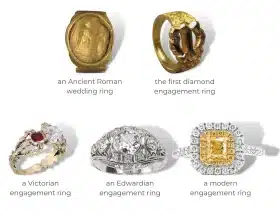
Lab-grown diamond rings represent one of the most significant developments in contemporary jewelry fashion, fundamentally challenging how we understand luxury and value. The history of jewelry has always reflected broader cultural values and technological advancement. From ancient Egyptian goldwork to Victorian mourning pieces, each era's adornment choices reveal what society treasured. Today, lab-grown diamonds represent a significant shift in how we define luxury, challenging century-old traditions about what makes jewelry valuable and desirable.
The Manufactured Diamond Tradition: Not as Old as You Think
The diamond engagement ring tradition, widely believed to be ancient, is remarkably recent in fashion history terms. According to the American Gem Society, the modern diamond engagement ring became popular only after 1947, when De Beers launched their "A Diamond is Forever" advertising campaign. This marketing strategy, developed by advertising agency N.W. Ayer, successfully positioned diamonds as the essential symbol of eternal love and commitment.
Prior to this campaign, engagement rings featured various gemstones including sapphires, rubies, and pearls. The concentrated marketing effort transformed consumer behavior within a single generation, demonstrating how commercial interests can reshape fashion traditions. Understanding this relatively brief history provides important context for today's lab-grown diamond revolution.
Understanding Lab-Grown Diamonds: The Science Behind the Sparkle
Lab-grown diamonds are genuine diamonds, chemically and physically identical to mined stones. This distinction is crucial for fashion history purposes. Unlike historical diamond simulants such as paste gems (popularized in the 17th century by Georges Strass) or cubic zirconia (introduced in 1976), lab-grown diamonds possess the same carbon crystal structure as natural diamonds.
According to the Federal Trade Commission's 2018 jewelry guidelines, lab-grown diamonds qualify as real diamonds because they share identical optical, physical, and chemical properties with earth-mined stones. The only difference lies in their origin story.
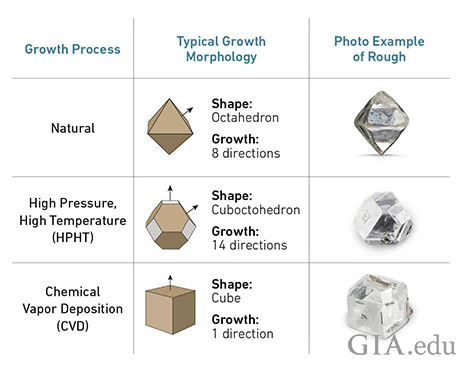
Two Production Methods
High Pressure High Temperature (HPHT): This process, first successfully achieved by General Electric according to research published in GIA, replicates the extreme geological conditions that form natural diamonds deep within Earth's mantle. The method applies approximately 1.5 million pounds per square inch of pressure at temperatures exceeding 2,000 degrees Fahrenheit to crystallize carbon.
Chemical Vapor Deposition (CVD): Developed in the 1980s, this technique grows diamonds layer by layer from hydrocarbon gas plasma. Research from the International Gemological Institute indicates that CVD technology advanced significantly in the early 2000s, making gem-quality stones commercially viable for jewelry applications.
While industrial-grade lab-grown diamonds have existed since the 1950s, the breakthrough in producing jewelry-quality stones occurred primarily in the 2010s, fundamentally altering the luxury jewelry landscape.
Fashion's Response to Ethical Consumption
Fashion has always served as a mirror to societal values. The Victorian era emphasized sentimental jewelry incorporating hair work and mourning pieces, reflecting period attitudes toward death and remembrance. The 1920s flappers embraced costume jewelry, prioritizing style accessibility over material value. Similarly, today's lab-grown diamond trend reflects contemporary consumer priorities.
According to a 2020 study by MVI Marketing, approximately 70 percent of millennial consumers consider ethical sourcing important when purchasing jewelry. This generational shift parallels historical fashion movements where changing values transformed material preferences. Just as synthetic dyes revolutionized Victorian fashion by providing consistent, affordable colors, lab-grown diamonds are democratizing access to luxury jewelry.
Environmental and Ethical Considerations
The Kimberley Process, established in 2003 according to the United Nations, attempted to prevent conflict diamonds from entering the marketplace. However, environmental concerns persist regarding traditional diamond mining. The environmental impact assessment organization Earthworks reports that mining a single carat of diamond can generate nearly 250 tons of displaced earth and consume significant water resources.
Lab-grown diamonds offer an alternative production method with reduced environmental impact, aligning with broader sustainable fashion movements. This parallels historical shifts like the Arts and Crafts Movement of the 1870s, which emphasized ethical production and craftsmanship quality over mass manufacturing.
The Price Revolution: Democratizing Diamond Fashion
Perhaps the most disruptive aspect of lab-grown diamonds involves pricing. According to industry analysis from Bain & Company, lab-grown diamonds typically cost 40 to 60 percent less than comparable natural diamonds, with some premium retailers reporting even larger price differentials.
This pricing shift enables fashion experimentation previously restricted to wealthy consumers. Historically, significant jewelry was inherited or purchased for milestone occasions. The reduced cost of lab-grown diamonds allows consumers to build jewelry wardrobes, stacking multiple pieces and exploring bold designs without substantial financial risk.
This accessibility echoes fashion history patterns. When Coco Chanel introduced costume jewelry in the 1920s, traditionalists were scandalized by the idea of deliberately wearing imitation gems. Yet Chanel understood that fashion serves as personal expression rather than wealth display. Her championing of costume jewelry, as documented in fashion historian Valerie Steele's research, permanently changed how women approached accessorizing.
Lab-grown diamonds occupy an interesting middle ground between Chanel's costume jewelry and traditional precious gems. They offer genuine diamond quality at accessible prices, creating a new category within jewelry fashion.
Bridal Fashion Transformation
Engagement ring traditions, seemingly timeless, have actually evolved considerably throughout history. Engagement rings varied widely in design and gemstone selection until the mid-20th century.
Contemporary bridal fashion incorporating lab-grown diamonds demonstrates several notable trends:
Colored Diamond Popularity: Natural colored diamonds command premium prices due to extreme rarity. Lab-grown technology makes colored diamonds, including pink, yellow, and blue varieties, accessible to average consumers. This availability has sparked renewed interest in colored stone engagement rings, reminiscent of historical preferences for sapphires and rubies.
Unconventional Cuts: Fashion-forward couples now select hexagon, kite, rose, and other geometric cuts that showcase individual style. These choices reflect broader personalization trends in fashion, moving away from prescribed tradition toward individual expression.
Statement Sizing: Reduced costs enable larger center stones without financial strain, changing the aesthetic of contemporary engagement jewelry. This trend parallels historical periods when technological advances made certain styles newly accessible.
Mixed Media Designs: Designers increasingly combine lab-grown diamonds with colored gemstones, creating personalized pieces that tell individual stories rather than adhering to traditional diamond solitaire formats.
Historical Patterns: Jewelry as Cultural Indicator
Examining jewelry history reveals consistent patterns where adornment choices reflect broader cultural shifts. Ancient Egyptian goldwork demonstrated technical mastery and religious significance. Medieval sumptuary laws, as documented by fashion historians, restricted jewelry wearing by social class, using adornment to reinforce hierarchical structures.
The Renaissance saw increased gem trade and sophisticated goldsmithing techniques spread from Italy throughout Europe. By the 17th century, paste gems allowed wider participation in fashionable jewelry trends, as documented in fashion history research.
Victorian jewelry reflected the era's sentimentality, with mourning jewelry containing hair work and memorial imagery becoming widespread after Prince Albert's death in 1861. The Arts and Crafts Movement that emerged in the 1870s, led by designers including William Morris, rejected mass production in favor of handcrafted quality and ethical labor practices.
The 1920s represented a dramatic shift when Coco Chanel and Elsa Schiaparelli encouraged mixing costume jewelry with genuine pieces, prioritizing style over material value. This democratization of fashion jewelry parallels today's lab-grown diamond movement.
Each historical transition met initial resistance before achieving acceptance. Lab-grown diamonds follow this familiar pattern, moving from skepticism toward mainstream integration.
The Industry Response: Adaptation and Evolution
Traditional jewelry houses initially resisted lab-grown diamonds, viewing them as threats to established business models. However, major retailers have increasingly embraced the category. According to jewelry industry publication JCK, numerous traditional jewelers now offer lab-grown options alongside natural diamonds.
This adaptation mirrors historical industry responses to technological change. When cultured pearls, developed by Kokichi Mikimoto in the 1890s, entered the market, natural pearl dealers initially dismissed them as inferior. Yet cultured pearls eventually gained acceptance, making pearl jewelry accessible while coexisting with rare natural pearls. The Victoria and Albert Museum's jewelry collection documents this transition.
Similarly, lab-grown diamonds are expanding the overall jewelry market rather than simply replacing natural stones. They attract new customers who previously could not afford diamond jewelry while offering options to existing consumers who prioritize different values.
Fashion's Cyclical Nature and Lasting Change
Fashion historian James Laver's theory, developed in the 1930s, suggests that fashion moves in cycles where yesterday's trends eventually become tomorrow's revivals. However, certain technological advances create permanent shifts rather than temporary cycles.
Machine-made lace, introduced during the Industrial Revolution, permanently changed fashion by making elaborate trims affordable for middle-class consumers. Synthetic dyes, developed in the 1850s, revolutionized color availability and consistency. These technological advances created irreversible changes in how fashion operated.
Lab-grown diamonds represent a similar permanent shift. While natural diamonds will likely retain appeal for certain consumers, lab-grown stones have created a new category with distinct advantages serving different consumer priorities. This expansion parallels how synthetic fabrics like nylon and polyester expanded textile options without eliminating natural fibers.
Contemporary Jewelry Fashion Trends
The availability of affordable lab-grown diamonds accelerates several broader jewelry fashion trends:
Everyday Luxury: Consumers increasingly wear fine jewelry daily rather than reserving it for special occasions. This shift reflects changing lifestyle patterns and reduced formality in dress codes, documented in contemporary fashion studies.
Customization: Bespoke jewelry design, historically available only to wealthy clients, becomes accessible when material costs decrease. This democratization enables personal storytelling through jewelry in ways previously impractical.
Stacking and Layering: Multiple ring stacking, popularized on social media platforms, becomes financially feasible with lower-cost stones. This trend echoes historical jewelry layering practices from various eras.
Sustainable Fashion Integration: Lab-grown diamonds fit within broader sustainable fashion movements emphasizing ethical production and reduced environmental impact. This aligns with consumer demand for transparency documented by fashion industry research organizations.
The Future of Diamond Fashion
Fashion history demonstrates that significant changes often face initial resistance before achieving acceptance. When Norman Hartnell used synthetic fabrics alongside natural fibers in royal designs during the mid-20th century, purists objected. Yet practical advantages ensured synthetic materials became permanent fashion components.
Lab-grown diamonds follow this trajectory. Current jewelry fashion suggests several probable developments:
Continued price competitiveness will expand consumer access to diamond jewelry. Design innovation will accelerate as reduced material costs enable experimentation. Traditional and lab-grown diamonds will likely coexist, serving different market segments with distinct values and priorities.
The technology enabling lab-grown diamonds represents more than a manufacturing method; it embodies changing definitions of luxury and value. Fashion has always adapted to reflect cultural evolution, and jewelry serves as particularly visible evidence of these shifts.
Conclusion: Redefining Luxury in Fashion History
The history of lab-grown diamonds, though relatively brief, marks a significant chapter in jewelry fashion evolution. Like paste gems in the 17th century, cultured pearls in the early 20th century, and costume jewelry in the 1920s, lab-grown diamonds challenge traditional notions of value and luxury.
This shift reflects broader patterns where fashion democratization and technological advancement intersect. As documented throughout costume history, jewelry has always served purposes beyond mere adornment, functioning as cultural indicator, status symbol, personal expression, and value storage.
Lab-grown diamonds represent a moment when luxury jewelry becomes defined by conscious choice rather than rarity alone. Future fashion historians will likely view the 2010s and 2020s as a pivotal period when technology enabled alignment between aesthetic desires and ethical values in ways previously impossible.
Whether one chooses natural or lab-grown diamonds ultimately reflects personal priorities regarding tradition, environmental impact, cost, and what one believes jewelry should represent. This freedom of choice, supported by technological advancement, exemplifies how fashion continuously evolves to serve changing human needs and values.