Glasses represent one of the most significant innovations in human history, transforming not only vision correction but also fashion and social identity. The history of glasses spans over seven centuries, evolving from crude magnifying devices to essential fashion accessories that define personal style. Understanding this evolution reveals how medical necessity became intertwined with costume history and cultural expression.
The Birth of Glasses: 13th Century Italy
The history of glasses begins in late 13th century Italy, where craftsmen first created wearable vision aids. According to the College of Optometrists in London, the earliest reliable evidence of glasses dates back approximately thirteen centuries to Pisa, Italy. A sermon delivered by Dominican friar Giordano da Pisa in Florence in 1306 referenced the recent invention, stating "It is not yet twenty years since there was found the art of making eyeglasses."
These early glasses consisted of two convex lenses mounted in bone, metal, or leather frames. The lenses were made from naturally occurring materials called reading stones, polished pieces of quartz that magnified text. According to research published by the Smithsonian Institution, these primitive glasses balanced precariously on the bridge of the nose or were held in place by hand, as the technology for securing them to the head had not yet been developed.
Venetian Glass Innovation
Venice became the center of early glasses production due to its superior glass-making techniques. The Venetian Guild of Crystal Workers established quality standards for spectacle lenses in 1301, as documented in the Victoria and Albert Museum's collections, making Venice the primary supplier of glasses throughout Europe for the next several centuries.
The materials used reflected wealth and status. Wealthy individuals owned frames made of silver, gold, or even carved ivory, while common people made do with leather or horn frames. This early differentiation established a pattern that would persist throughout the history of glasses, where eyewear served dual purposes as medical device and status symbol.
Renaissance Developments: 15th-17th Centuries
The Renaissance period brought significant advances in both lens technology and frame design. According to the Metropolitan Museum of Art's costume history archives, by the 15th century, craftsmen had learned to create both convex lenses for farsightedness and concave lenses for nearsightedness, dramatically expanding who could benefit from glasses.
The Problem of Attachment
Throughout the Renaissance, the primary challenge remained keeping glasses secured to the wearer's face. Various solutions emerged across Europe. Some glasses featured long handles, allowing users to hold them in place when needed. Others used ribbons tied around the head or weighted cords draped over the ears. According to optical historian Richard Corson, these early attachment methods proved cumbersome and socially awkward, limiting when and where people wore their glasses.
Spanish spectacle makers developed rigid bridges that gripped the nose more firmly, while German craftsmen experimented with leather straps. None proved entirely satisfactory, and most people continued to remove their glasses frequently, carrying them in protective cases when not actively reading.
Social Attitudes Toward Glasses
Renaissance attitudes toward glasses were complex. While glasses enabled scholars to continue reading and working as they aged, they also marked physical weakness and declining youth.
However, glasses also became associated with learning and wisdom. Portraits of scholars and religious figures often included eyeglasses as symbols of dedicated study and intellectual authority. This dual perception, simultaneously negative and positive, would influence eyewear fashion for centuries.
The 18th Century: Fashion Meets Function
The 18th century marked a turning point in the history of glasses when eyewear began transitioning from purely medical device to fashion accessory. According to the Costume Institute at the Metropolitan Museum of Art, this period introduced several new eyewear forms designed specifically to minimize visibility or enhance fashionable appearance.
Temple Arms Revolution
The most significant technical innovation came around 1727 when English optician Edward Scarlett developed rigid side pieces, called temple arms or temples, that extended over the ears. This invention, documented in the Science Museum London's collections, finally solved the attachment problem that had plagued glasses wearers for over 400 years.
Early temple arms were straight and relatively short, requiring adjustment by bending to fit individual wearers. By mid-century, opticians had developed jointed temples that folded for storage, making glasses more portable and protecting lenses when not in use.
Fashionable Alternatives: Lorgnettes and Quizzing Glasses
For those who needed vision correction but wished to avoid the unfashionable appearance of glasses, the 18th century offered elegant alternatives. The lorgnette, featuring a single or double lens mounted on a decorative handle, became fashionable among European aristocracy. According to research in the Journal of the History of Collections, lorgnettes were particularly popular among women, as they could be worn on chains as jewelry when not in use.
Quizzing glasses, single lens monocles on long handles, served similar purposes. Georgian gentlemen used quizzing glasses to examine paintings, read programs, or scrutinize other guests at social events. These devices functioned as much as social props as vision aids, allowing users to appear fashionably critical or discerning.

Image credits: Best Venice Guides
Benjamin Franklin's Bifocals
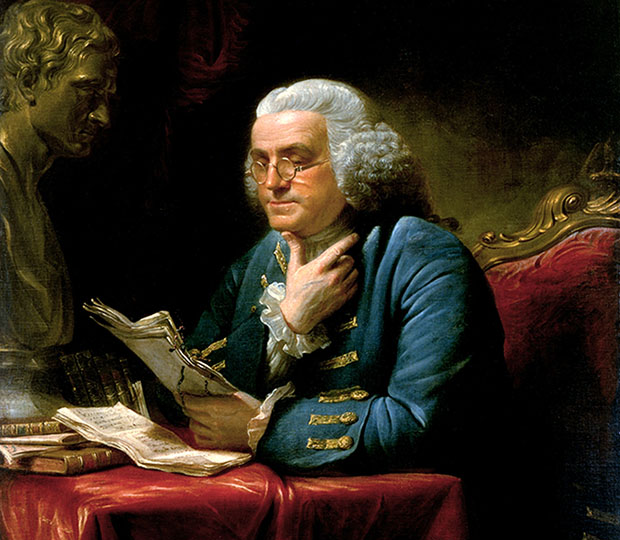
In 1784, American statesman Benjamin Franklin invented bifocals, creating the first multifocal glasses. According to the College of Optometrists, Franklin split lenses horizontally, placing distance correction in the upper half and reading correction below. This innovation eliminated the need to switch between two pairs of glasses, though bifocals would not become widely available until the 19th century when manufacturing techniques improved.
Victorian Era: Glasses Diversification
The Victorian period saw explosive growth in glasses styles, reflecting the era's complex social hierarchies and rapidly changing fashion. According to costume historian C. Willett Cunnington's research, the 19th century introduced more distinct eyewear forms than any previous era in the history of glasses.
Pince-Nez Popularity
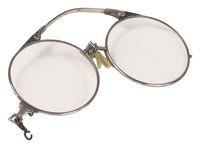
Pince-nez, from the French meaning "pinch nose," became the dominant glasses form in the mid-19th century. These frameless or semi-rimmed glasses clipped directly to the nose bridge using spring tension. According to the Victoria and Albert Museum's fashion collections, pince-nez were considered more elegant than full spectacle frames, as they appeared less prominent on the face.
Pince-nez came in various styles. Some featured rigid nose pieces, while others used flexible spring bridges. Chain attachments prevented loss when removed, with the chain often fastened to clothing via decorative pins. By the 1890s, pince-nez had become so ubiquitous that they symbolized respectability and professional status, particularly for men in business and government.
The Monocle's Social Significance
The monocle, a single corrective lens held in the eye socket by facial muscles, achieved peak popularity during the Victorian era, particularly in Britain and Germany. According to fashion historian James Laver, the monocle served primarily as a class marker rather than a practical vision aid, as it required considerable practice to wear successfully and corrected only one eye.
German military officers adopted monocles as symbols of authority and aristocratic bearing. In Britain, monocles became associated with upper-class dandyism. The difficulty of wearing a monocle, which required specific facial muscle control and frequently fell out, paradoxically enhanced its status value. This impracticality signaled that the wearer belonged to leisure classes who need not worry about functional glasses for manual labor.
Women's Glasses Constraints
Victorian social conventions severely restricted women's glasses options. According to costume historian Valerie Steele, women who wore visible glasses risked being perceived as unfeminine, aging, or overly intellectual. Many Victorian women simply went without vision correction in public, accepting blurred vision as preferable to social stigma.
Lorgnettes remained acceptable for women, as they could be incorporated into jewelry and used discretely. Some women wore pince-nez on chains tucked into bodices, retrieving them only when absolutely necessary. The fashion history of this period reveals how gender expectations could override basic medical needs, forcing many women to choose between clear vision and social acceptance.
Materials and Manufacturing
The Industrial Revolution transformed glasses production. According to the Worshipful Company of Spectacle Makers' historical records, mechanization allowed mass production of standardized lens shapes and metal frames, dramatically reducing costs. By the 1850s, ready-made glasses became available in various standard prescriptions, though custom-fitted glasses remained preferable.
Frame materials diversified during this period. Steel, brass, and German silver (a nickel alloy) provided durable, affordable options. Wealthier customers could still commission gold or silver frames. Natural materials including tortoiseshell, horn, and celluloid (an early plastic invented in 1869) offered lighter weight alternatives to metal.
Early 20th Century: Glasses Enter Modern Fashion
The early 20th century marked the true beginning of glasses as deliberate fashion statements. This transformation coincided with broader changes in social attitudes, women's liberation, and the rise of Hollywood's influence on personal style.
Round Wireframe Glasses of the 1920s-1930s
The 1920s introduced lighter, more comfortable glasses designs. Thin metal wireframes with perfectly round lenses became fashionable for both men and women. According to optical industry records, these glasses weighed significantly less than Victorian pince-nez or heavy celluloid frames, making all-day wear more comfortable.
Film stars and cultural figures helped normalize glasses wearing. American silent film comedian Harold Lloyd made round tortoiseshell glasses his trademark, appearing in them throughout his most famous films. According to film historian Kevin Brownlow, Lloyd's positive portrayal of a bespectacled everyman helped reduce the social stigma surrounding glasses, particularly for men.
Influential figures including Mahatma Gandhi, James Joyce, and Le Corbusier all wore distinctive round wireframe glasses that became part of their public identities. This association between intellectual achievement and glasses wearing began reversing centuries of negative perception.
Women's Glasses Gain Acceptance
The 1920s flapper era's rejection of Victorian constraint extended to glasses. Young women began wearing visible glasses in public without shame, though frames designed specifically for women emphasized delicacy and fashion. According to fashion historian Caroline Evans, women's glasses of this period featured decorative elements including engraved temples, jeweled accents, and fashionable colors coordinated with cosmetics and clothing.
The rise of female professionals, particularly secretaries, teachers, and librarians, created markets for attractive yet practical women's glasses. Advertisements from the period, preserved in fashion archives, emphasized that modern women could be both bespectacled and beautiful, marking a significant shift from Victorian attitudes.
Sunglasses Emerge as Fashion
While tinted lenses for eye protection had existed since the 18th century, sunglasses as fashion accessories emerged in the 1920s. According to the Smithsonian's history of sunglasses, mass production of affordable sunglasses began in 1929 when Sam Foster sold them on Atlantic City beaches. Movie stars adopted dark glasses both for eye protection under bright studio lights and for privacy in public, inadvertently creating a glamorous association.
By the 1930s, sunglasses had become fashionable beyond purely functional use. Aviator-style sunglasses, developed for pilots and introduced to the public by Ray-Ban in 1936, represented the first sunglass style designed deliberately for aesthetic appeal as well as eye protection.
Mid-Century Modern Glasses: 1940s-1960s
The mid-20th century witnessed glasses' full transformation into essential fashion accessory. According to fashion historians, this period introduced more stylistic diversity in glasses than any previous era, with distinct styles marking each decade.
1940s: Wartime Practicality and Early Glamour
World War II influenced glasses design through material shortages and military optical innovations. According to wartime fashion research, metal frames became scarce due to war material needs, accelerating development of plastic alternatives. Cellulose acetate, introduced in the late 1930s, became the dominant frame material for glasses by the mid-1940s.
Women's glasses began showing more decorative elements, with upswept corners foreshadowing the cat-eye style that would dominate the 1950s. However, most 1940s glasses retained relatively conservative shapes due to wartime austerity.
1950s: The Cat-Eye Glasses Revolution
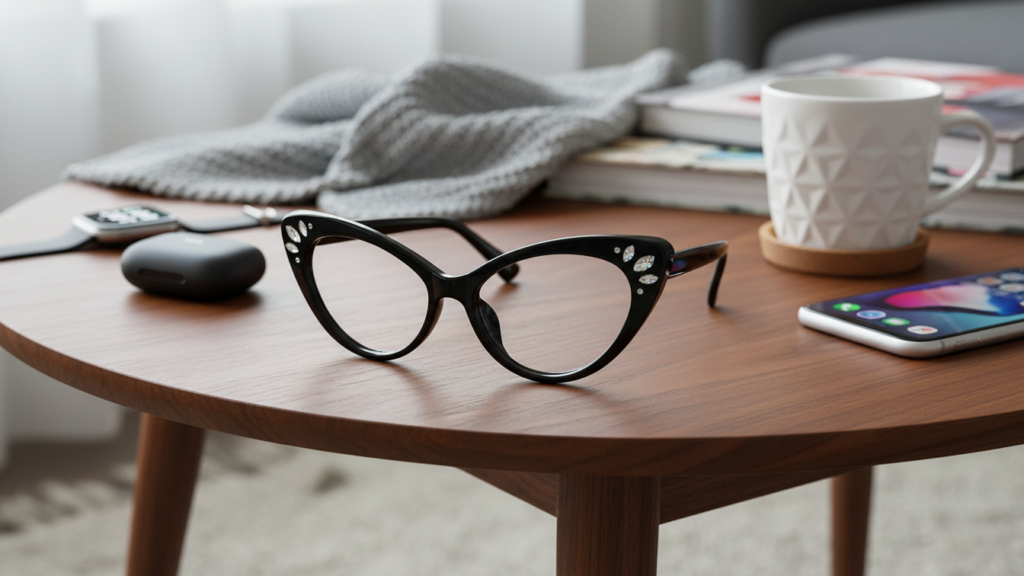
The 1950s cat-eye glasses represent one of the most iconic eyewear styles in fashion history. According to the Victoria and Albert Museum's fashion collections, these glasses featured dramatically upswept outer corners, often embellished with rhinestones, metallic inlays, or colored laminations.
Cat-eye glasses epitomized 1950s femininity, emphasizing facial features in ways that complemented the era's makeup styles and hairstyles. Designers including Bausch & Lomb and American Optical created increasingly elaborate versions of cat-eye glasses throughout the decade. By the late 1950s, some cat-eye glasses extended nearly to the temples, creating exaggerated, sculptural silhouettes.
Lucille Ball, Marilyn Monroe, and other Hollywood stars wore distinctive cat-eye glasses both on-screen and off, cementing the style's association with glamour and sophistication. According to film costume archives, cat-eye glasses appeared in numerous films as shorthand for fashionable, modern womanhood.
1960s: Mod Revolution and Oversized Glasses
The 1960s shattered glasses conventions with bold, oversized designs. British designer Mary Quant and French designer André Courrèges both incorporated distinctive glasses into their fashion presentations. Large plastic frames in white, pale pink, and even transparent colors became fashionable. According to Vogue archives from the period, oversized sunglasses became particular status symbols, with Jackie Kennedy's large dark glasses creating international trends.
Designer glasses emerged as a distinct category during this period. Fashion houses including Christian Dior, Givenchy, and Yves Saint Laurent began licensing their names for glasses collections, establishing the designer glasses market that persists today.
1970s-1980s: Glasses as Bold Statement
The 1970s and 1980s pushed glasses into increasingly expressive territory. According to fashion archives, these decades featured the largest, most colorful, and most diverse glasses styles in the history of glasses.
1970s: Oversized and Tinted Glasses
The 1970s embraced enormous glasses in every material and color imaginable. Plastic frames grew so large they covered significant portions of the face. According to optical industry records, some glasses measured over 60mm in lens width, compared to typical modern glasses of 50-55mm.
Tinted lenses in yellow, amber, rose, and blue became fashionable for regular glasses, not just sunglasses. Gradient lenses, fading from dark at the top to clear at the bottom, appeared in both prescription glasses and sunglasses. Aviator sunglasses, popularized by films and counterculture icons, became unisex staples.
Elton John's spectacular glasses collection epitomized the decade's experimental approach. His glasses included enormous shapes, wild colors, feathers, lights, and other theatrical embellishments that pushed eyewear firmly into the realm of costume and performance.
1980s: Power Dressing and Designer Glasses Dominance
The 1980s power dressing movement embraced bold glasses as symbols of authority and success. According to fashion historian Valerie Steele, oversized glasses in tortoiseshell, black, or jewel tones became professional uniform components, particularly for women entering corporate environments.
Designer brands dominated the glasses market as never before. According to industry analysis, licensing agreements allowed fashion houses to profit from glasses bearing their names without manufacturing responsibilities. Status-conscious consumers paid premium prices for designer glasses with visible logos.
Television shows including Dynasty and Dallas showcased elaborate glasses styles, with characters wearing distinctive frames that became their signatures. These shows' international popularity, reaching 250 million viewers according to broadcast records, spread American glasses trends globally.
1990s-2000s: Minimalism and Retro Revival
The 1990s represented a dramatic reversal from 1980s excess. According to fashion trend analysis, the decade embraced minimalism across all fashion categories, including glasses.
1990s Minimalist Glasses
Thin wireframe glasses, reminiscent of 1920s styles, returned to fashion. Small, rectangular lenses in neutral metals became the sophisticated choice. According to Vogue archives, the "intellectual" wireframe glasses look complemented the decade's understated fashion aesthetic.
Rimless and semi-rimless glasses gained popularity as nearly invisible options. These glasses, with lenses drilled to attach directly to thin temples, appealed to those who needed vision correction but wanted minimal facial alteration. According to optical industry reports, rimless glasses sales increased significantly throughout the 1990s.
2000s: Diversity and Personal Expression in Glasses
The early 21st century rejected singular trends in favor of diverse personal choices. According to contemporary fashion analysis, glasses became highly individualized, with consumers selecting frames to express specific aspects of identity rather than following universal trends.
Retro eyewear became common, with manufacturers reissuing classic styles from various decades. Vintage glasses, particularly thick black plastic frames reminiscent of 1950s and 1960s designs, gained popularity among creative professionals and younger consumers seeking authentic period styles. According to fashion researcher Ted Polhemus, this eclecticism reflected broader postmodern approaches to fashion where historical reference replaced linear trend progression.
21st Century: Technology and Customization in Modern Glasses
Contemporary glasses combine historical inspiration with advanced technology. According to current optical industry research, today's glasses incorporate materials and manufacturing techniques impossible in earlier eras while consciously referencing historical styles.
Materials Innovation
Modern glasses utilize materials including titanium, carbon fiber, memory metals, and advanced plastics that offer strength, flexibility, and light weight. According to the Vision Council's industry reports, these technical improvements make all-day wear of glasses comfortable while enabling frame designs that would have been structurally impossible in earlier periods.
3D printing technology allows customized glasses tailored to individual facial measurements. Some companies now offer fully bespoke glasses created from facial scans, bringing personalization to levels previously available only to the extremely wealthy.
Blue Light Glasses and Digital Eye Strain
The digital age has introduced new vision concerns. According to the American Academy of Ophthalmology, extended screen time has created demand for glasses with blue light filtering, adding a new functional category to eyewear. While scientific debate continues regarding blue light's effects, the market for protective glasses has grown substantially.
Fashion Democracy in Glasses
Social media and online retail have democratized glasses fashion. Consumers access international glasses trends immediately and can purchase frames from anywhere in the world. According to market research, online glasses sales have grown dramatically, with companies offering virtual try-on technology using smartphone cameras.
The rise of affordable glasses brands has made fashionable eyewear accessible to broader populations. Multiple pairs of glasses for different outfits and occasions, once affordable only to wealthy consumers, have become common. This accessibility echoes historical democratization moments like 1920s costume jewelry or mid-century mass production.
The History of Glasses: Cultural Significance
Throughout the history of glasses, eyewear has functioned as more than vision correction. Glasses have indicated:
Social Status: From medieval gold frames to contemporary designer glasses, eyewear has always carried status information.
Professional Identity: Different occupations developed associated glasses styles, from scholarly round frames to aviators for pilots.
Personal Style: Particularly from the 20th century forward, glasses choices have expressed individual taste and identity.
Cultural Belonging: Certain glasses became associated with subcultures, from bohemian wireframes to punk safety-pin modifications.
Gender Expression: Glasses styles have often been strongly gendered, though contemporary fashion increasingly embraces unisex glasses options.
According to fashion theory research, glasses represent a unique category where medical necessity, technological innovation, and fashion impulse converge, making them particularly rich subjects for costume history analysis.
Conclusion
The history of glasses traces humanity's relationship with both physical limitation and self-presentation. From 13th century Italian reading stones to contemporary designer glasses, eyewear has evolved from crude vision aid to essential fashion accessory. This transformation reflects broader cultural shifts regarding disability, beauty, professional identity, and personal expression.
Today's glasses market offers unprecedented diversity, allowing individuals to select frames that reference any period in the history of glasses or create entirely contemporary looks. Whether choosing cat-eye glasses echoing 1950s glamour, round wireframe glasses recalling 1920s intellectualism, or cutting-edge designs impossible in earlier eras, contemporary consumers participate in over 700 years of glasses evolution.
Understanding this history enriches appreciation for glasses we wear daily. Each pair of glasses connects to centuries of optical innovation, fashion evolution, and changing attitudes about how we present ourselves to the world. The history of glasses reminds us that even the most practical objects can become vehicles for beauty, identity, and human creativity.


