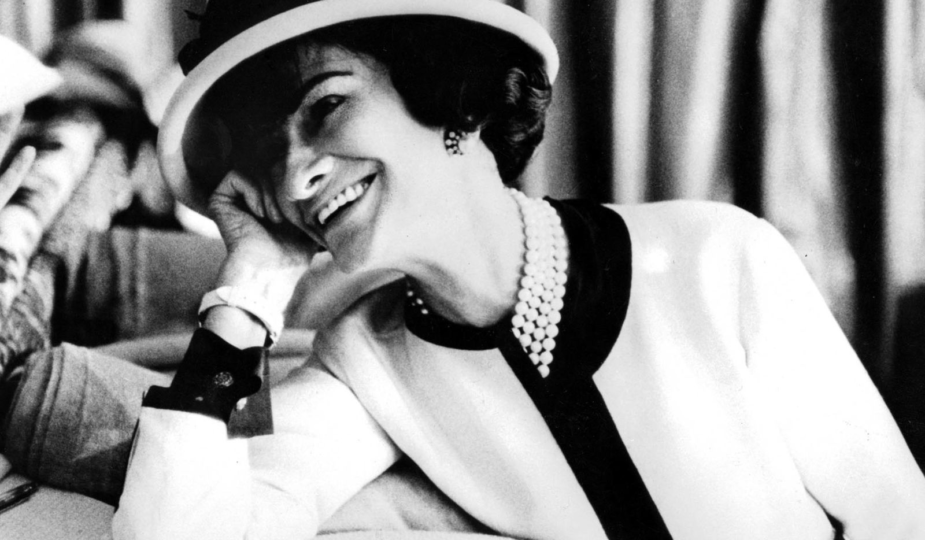
Unlike dresses that rise and fall with fashion's tides, or accessories that serve primarily decorative purposes, jacket bridges function and style in ways few other garments can match. A well-cut jacket provides warmth, shapes the silhouette, conveys professionalism, and makes a style statement, all while allowing freedom of movement that earlier women's outerwear often restricted.
For much of the 19th century, women's outdoor garments consisted of capes, mantles, shawls, and pelisses that draped over restrictive corseted bodies. The structured jacket as we know it today, with set-in sleeves, defined shoulders, and tailored fit, emerged gradually as women challenged social conventions and demanded clothing suited to increasingly active lives. This article traces the evolution of women's jackets from Victorian riding habits through wartime utility wear to contemporary essentials, examining how a garment once considered shockingly masculine became an indispensable element of women's fashion.
Early Women's Outerwear: Mantles, Pelisses and Restrictive Wraps (1800-1870)
Victorian women's outdoor garments prioritized modesty and decoration over functionality. According to the Victoria and Albert Museum's costume collection, women wore mantles, pelisses, shawls, and capes for outdoor activities during the early to mid-19th century. These garments draped loosely over the body, accommodating the era's voluminous skirts and tightly corseted torsos without requiring the structured tailoring that jackets demand.
Mantles, short capes that covered the shoulders and upper arms, remained popular throughout the Victorian period. They fastened at the neck and fell gracefully over crinolines and bustles, creating fashionable silhouettes without restricting arm movement, which the era's tight sleeves severely limited. Pelisses, longer coats that extended to the hem of the dress, featured decorative frogging, military-inspired braiding, and fur trim, but their construction remained fundamentally different from tailored jackets. They wrapped or buttoned down the front but lacked the shaped shoulders and set-in sleeves that define jacket construction.
Materials for these garments reflected both season and social class. Wealthy women wore velvet mantles trimmed with expensive furs for winter, silk pelisses for milder weather, and delicate lace shawls for evening. Working women made do with wool shawls and simple capes that could be produced inexpensively at home.
The notable exception to this rule appeared in riding habits. Women who rode horseback required more structured garments that facilitated mounted activity. Fashion historians note that riding habits from the 1850s onward featured tailored jackets closely resembling men's frock coats, with fitted bodices, set-in sleeves, and even waistcoats worn underneath. These riding jackets represented the first true structured women's jackets, though they remained strictly confined to equestrian contexts rather than everyday wear.
The absence of structured jackets for daily wear reflected Victorian attitudes about women's bodies and social roles. Tight corseting made lifting arms difficult, rendering jacket sleeves impractical. More significantly, the masculine associations of tailored clothing seemed inappropriate for women whose lives centered on domestic spaces rather than the active public sphere where men's jackets proved their utility.
The Tailor-Made Suit Revolution (1880-1900)
The 1880s witnessed a dramatic shift in women's outerwear with the emergence of the "tailor-made" suit. These suits consisting of a matching jacket and skirt became the uniform of the New Woman, who increasingly participated in public life through education, employment, and social reform activities.
British tailoring houses, particularly Redfern of London, pioneered women's tailored suits. John Redfern, who began his career making yachting costumes, recognized that women engaging in sporting activities required practical, well-constructed garments. His tailored jackets featured masculine construction techniques: structured shoulders, notched lapels, fitted waists, and buttons that actually functioned rather than serving purely decorative purposes.
The Gibson Girl, the idealized American woman illustrated by Charles Dana Gibson, popularized the shirtwaist and tailored jacket combination. Fashion plates from the 1890s show Gibson Girls in neat jackets with leg-of-mutton sleeves worn over crisp white blouses, presenting an image of modern femininity that combined respectability with athletic vigor. This style suited the era's enthusiasm for bicycling, tennis, and golf, all activities requiring freedom of movement that draped mantles could not provide.
Department stores recognized the commercial potential of tailor-made suits. According to retail history research, stores like Marshall Field's in Chicago and Selfridges in London established tailoring departments specifically for women by the 1890s. This development made tailored jackets accessible beyond wealthy women who could afford bespoke tailoring, democratizing a style that would become foundational to 20th-century women's dress.
The adoption of masculine tailoring proved controversial. Contemporary fashion magazines and social commentators expressed concern about women in "mannish" attire. Some viewed tailored jackets as inappropriate attempts to assume male prerogatives. Others worried that structured jackets flattened the bust and eliminated the wasp waist that Victorian beauty standards demanded. Yet despite these objections, the practical advantages of jackets for women leading increasingly active lives ensured the style's persistence and growth into the new century.
Wartime Utility and Women's Workforce Jackets (1914-1945)
World War I transformed women's relationship with practical clothing, including jackets. Women's wartime service, women working in munitions factories, driving ambulances, and performing agricultural labor required sturdy, functional garments that allowed unrestricted movement. Tailored jackets, often adapted from men's patterns, became standard workwear for women in industrial settings.
The 1920s saw jackets adapt to the decade's shorter hemlines and looser silhouettes. Where Victorian and Edwardian jackets had fitted closely to corseted torsos, 1920s jackets hung more loosely from the shoulders, reflecting the era's straighter, more boyish ideal. According to Fashion-Era's research on flapper fashion, the typical 1920s woman wore relatively little structured outerwear, preferring wrap coats and loose cardigans that complemented the period's flowing dresses. However, tailored jackets remained essential for business and travel, contexts requiring more formal presentation.
The 1930s introduced broader shoulders that would become increasingly prominent through the decade and into the 1940s. Fashion historians studying 1930s dress note the influence of menswear tailoring, with women's jackets featuring wider lapels, stronger shoulder lines, and more angular cuts that departed from the softer, rounder lines of previous decades. This shift reflected the influence of Hollywood costume design, where costumers used shoulder pads to create more dramatic silhouettes under studio lighting.
World War II accelerated the utilitarian trend. The British Board of Trade's Utility Clothing Scheme, implemented in 1941, established specifications for civilian clothing that maximized fabric efficiency while maintaining quality. According to government records, utility suits featured simplified construction with limited pleating, shorter jackets to conserve fabric, and practical details like functional pockets. These restrictions affected all women's ready-to-wear clothing, making the tailored utility suit jacket the default choice for women across social classes.
Military service uniforms for women's auxiliary services further normalized structured jackets. The Women's Army Corps, Women Accepted for Volunteer Emergency Service, and similar organizations dressed members in tailored jackets closely resembling men's military uniforms but sized and fitted for women's bodies. Imperial War Museum photographs show women in these uniforms performing duties from office work to aircraft maintenance, the practical jackets enabling their service.
Post-war fashion initially moved away from severe wartime tailoring. Christian Dior's 1947 New Look featured rounded shoulders, fitted waists, and longer skirts that rejected wartime austerity. However, the tailored jacket remained essential, now softened with more feminine details but retaining the structured shoulders and quality construction that had proven their worth during wartime.
The Power Blazer and Career Dressing (1950-1990)
The 1950s witnessed two parallel developments in women's jacket design. On one hand, the New Look's influence encouraged feminine jackets with rounded shoulders, nipped waists, and decorative details. On the other, Gabrielle "Coco" Chanel revolutionized women's jackets with her 1954 return to fashion.
Chanel's cardigan jacket, constructed in boxy tweed with braid trim and featuring patch pockets and a chain-weighted hem, provided comfortable elegance that departed from the constricting New Look silhouette.
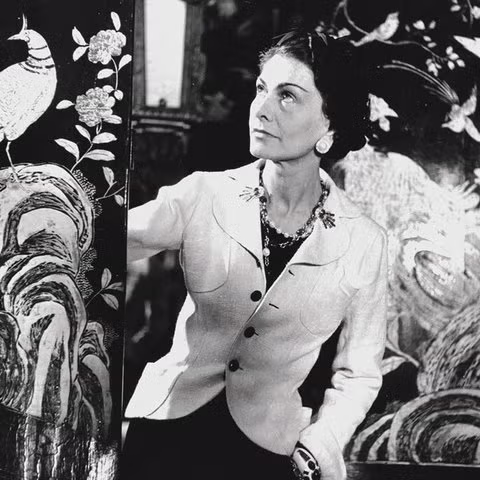
Chanel's jacket succeeded because it prioritized wearability alongside style. The straight cut allowed freedom of movement. The textured tweed disguised wrinkles. The chain in the hem helped the jacket hang properly. Most significantly, the design could be worn all day comfortably, crucial for women increasingly spending hours in offices and public spaces. The Chanel jacket became a uniform for wealthy women worldwide and inspired countless interpretations at every price point.
The 1960s brought diverse jacket styles reflecting the decade's youth-driven fashion revolution. Mod style featured short, boxy jackets in bold colors and geometric patterns. Designer André Courrèges introduced structured white jackets that evoked space-age aesthetics, while Pierre Cardin offered angular cuts in unexpected fabrics. Yet alongside these avant-garde designs, conservative tailored blazers remained essential for women in professional settings where fashion-forward styles seemed inappropriate.
The 1970s saw women's jackets embrace both extremes. The Annie Hall look, popularized by Diane Keaton's costume in the 1977 film, featured oversized men's blazers, vests, and ties that represented a new approach to masculine borrowing. Rather than adapting men's tailoring for women's bodies as earlier generations had done, this style deliberately chose men's garments several sizes too large, creating a relaxed, androgynous silhouette. Simultaneously, tailored jackets featured the decade's characteristic wide lapels and longer lengths that balanced the era's flared trousers.
The 1980s brought power dressing to prominence. According to fashion historians studying this period, women entering corporate management positions in unprecedented numbers adopted severely tailored jackets with exaggerated shoulder pads as professional armor in male-dominated workplaces.
Designer Giorgio Armani revolutionized suiting with his deconstructed jackets that maintained crisp exteriors while eliminating heavy interfacing, creating more comfortable garments that nonetheless projected authority.
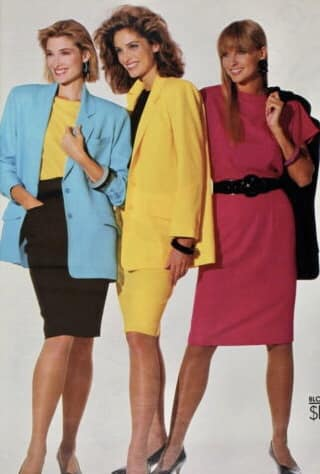
Contemporary observers noted the almost uniform adoption of power suits. Television programs like Dynasty and Dallas showcased characters in bold-shouldered jackets that viewers rushed to emulate. Department stores devoted entire sections to career separates, recognizing that working women required versatile wardrobes that mixed and matched. The jacket became an investment piece, with quality blazers costing several hundred dollars but lasting for years.
Casual Jackets and Streetwear Influence (1990-2010)
The 1990s witnessed a backlash against 1980s power dressing formality. Grunge fashion, emerging from Seattle's music scene, embraced thrift store finds including oversized men's jackets worn over flannel shirts and torn jeans.
Denim jackets completed their evolution from workwear to fashion staple during this period. Originally designed for manual laborers in the late 19th century, denim jackets had appeared periodically in women's fashion but remained associated with casual, even countercultural contexts. The 1990s saw denim jackets embraced across demographics, worn equally by teenagers, working women, and fashion-conscious consumers seeking versatile layering pieces.
Athletic-inspired jackets entered mainstream fashion. Tracksuits, bomber jackets, and windbreakers previously confined to gyms and playing fields became acceptable streetwear. Fashion houses including Gucci and Prada introduced luxury versions of athletic jackets, legitimizing sporty styles in high fashion contexts. This athleisure trend would accelerate in subsequent decades.
Fast fashion transformed jacket accessibility and consumption. Retailers like H&M, Zara, and Forever 21 produced inexpensive jacket styles that changed seasonally, encouraging consumers to view jackets as disposable rather than investment purchases. A 2006 report on fast fashion consumption noted that average clothing prices had declined significantly since the 1990s while purchase frequency increased, fundamentally changing how consumers approached wardrobe building.
The mixing of masculine and feminine elements became standard styling practice. Fashion magazines regularly featured looks pairing tailored blazers with slip dresses, leather jackets over floral prints, or bomber jackets with heels. This high-low mixing represented a departure from earlier eras when formality levels remained consistent within a single outfit.
Contemporary Women's Jackets: Diversity and Innovation (2010-Present)
The past fifteen years have witnessed unprecedented diversity in women's jacket styles. Oversized blazers emerged as a dominant trend around 2015 and have remained popular through subsequent seasons. The oversized blazer's appeal lies in its versatility and the relaxed confidence it projects, particularly resonant as workplace dress codes have become increasingly casual. Contemporary brands like Fracomina exemplify this trend, creating jackets that balance current style with wearable design.
Sustainability concerns increasingly influence jacket production and consumption. Fashion Revolution's annual reports document growing consumer interest in ethical manufacturing, fair labor practices, and environmental impact.
Technical fabrics have migrated from outdoor gear into fashion contexts. Waterproof-breathable membranes, insulating layers that pack into tiny spaces, and temperature-regulating materials originally developed for mountaineering now appear in everyday jackets from brands across price points. This convergence of performance and fashion reflects consumer desire for clothing that functions well in varied conditions while maintaining style.
Gender-fluid design has influenced jacket production. Many brands now offer unisex sizing or explicitly market certain styles as appropriate for any gender. This approach acknowledges that women have been borrowing men's jackets for decades and that many prefer the fit and styling of menswear-inspired pieces over those specifically designed for women's bodies.
The vintage and second-hand market has particularly thrived for jackets. According to collector and dealer reports, vintage Chanel jackets, 1980s power blazers, and 1990s leather jackets command strong prices, while mass-market vintage jackets from earlier decades offer affordable entry points for sustainable fashion enthusiasts. This robust secondary market indicates that well-made jackets retain value and appeal long after their original production.
Styling Women's Jackets Across Fashion Eras
Understanding the historical context of different jacket styles enriches contemporary styling choices. Each jacket type carries associations with specific periods and the cultural meanings those eras embodied.
The structured blazer with defined shoulders references 1980s power dressing. When worn today, this style projects professional authority and deliberate polish. Pairing it with contemporary elements like relaxed trousers or sneakers updates the look while maintaining the blazer's inherent formality.
The oversized boyfriend blazer draws from 1990s minimalism and grunge aesthetics. This relaxed style suggests effortless confidence and works particularly well for creating balanced proportions when worn with fitted bottoms or layered over flowing dresses.
Cropped jackets reference multiple eras. The 1950s featured short jackets that emphasized tiny waists, while 1960s mod style embraced abbreviated lengths. Contemporary cropped jackets can evoke either period depending on their cut and styling, offering versatility in creating different silhouettes.
Utility jackets with multiple pockets and practical details reference 1940s wartime clothing. These pieces communicate practicality and no-nonsense efficiency while providing genuinely useful features for daily life.
Leather motorcycle jackets connect to 1970s punk rebellion and rock and roll aesthetics. Despite originating as protective gear for motorcyclists, the moto jacket has become a symbol of edgy cool that adds attitude to otherwise conventional outfits.
Bomber jackets draw from military and athletic heritage. Originally designed for pilots, then adopted by various subcultures including skinheads and hip-hop communities, bomber jackets now represent streetwear sophistication and casual urban style.
Conclusion: The Jacket as Symbol and Staple
The history of women's jackets traces a remarkable journey from controversial masculine borrowing to wardrobe essential. What Victorian society deemed shockingly inappropriate has become so thoroughly normalized that contemporary women would find wardrobes without jackets nearly unimaginable. This transformation reflects broader changes in women's social roles, economic participation, and personal freedom.
Women's jackets embody the ongoing negotiation between feminine and masculine dress codes. From the first riding habits that allowed women to participate in equestrian sport, through tailor-made suits that enabled New Women to move through public spaces confidently, to power blazers that armed women for corporate battles, jackets have consistently served as tools for claiming space in traditionally male domains. Yet women have also feminized the jacket, adapting masculine tailoring conventions to female bodies and aesthetics, creating garments that are neither purely masculine nor traditionally feminine but something distinct and purposeful.
Contemporary jacket diversity reflects women's diverse identities and activities. A woman might own a tailored blazer for client meetings, a puffer jacket for weekend errands, a leather moto for evening events, and a vintage denim jacket for casual wear, each serving different practical and expressive needs. This variety, unimaginable to women of previous generations, represents genuine progress in clothing that serves real lives rather than restricting them.
Looking forward, innovation continues in materials, construction, and sustainability practices. As consumers increasingly value versatility, quality, and ethical production over trend-driven consumption, the jacket's essential practicality positions it well for continued relevance. A well-made jacket transcends seasonal trends, serving its owner for years or decades before potentially finding new life with a second owner through resale markets.
The jacket remains fashion's perfect marriage of function and style. It keeps us warm, shapes our silhouettes, projects our professional identities, and expresses our personal aesthetics. From Victorian riding habits to contemporary oversized blazers, women's jackets tell the story of changing expectations, expanding freedoms, and the enduring human desire for clothing that works as hard as we do while making us look and feel our best.


