A single piece of jewelry can hold an entire universe: a memory, a person, a turning point, a quiet promise to oneself. Some items stay close to the skin because they feel like an extension of identity, a reminder of where the wearer has been and where life gently leads next.
Meanings often hide inside tiny details. A pendant linked to strength, a ring inherited from a grandmother, a bracelet tied to a dream. These pieces turn into personal anchors that change with the wearer and settle into life’s rhythm with quiet certainty.
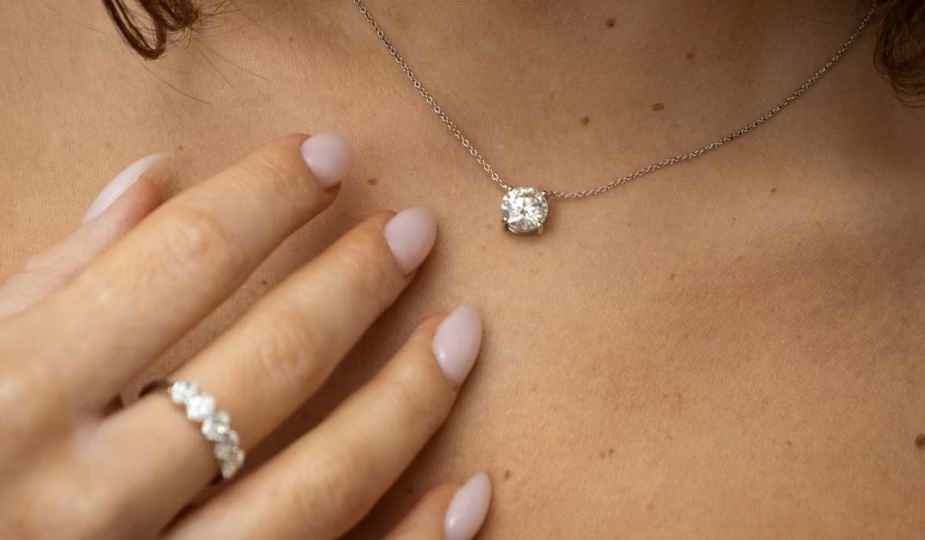
A growing desire for mindful symbolism shapes the way people choose their talismans today. Ethical craftsmanship and thoughtful design support this shift, and jewelry brands like SOLO for Diamonds align with it through lab-grown pieces created for wearers who look for meaning in every detail.
Why Humans Attach Meaning to Objects
Objects gain emotional weight when they hold important experiences. A sense of identity often settles into something tactile, especially when the item stays close to the body. Jewelry occupies this unique space. Metals last for decades, stones pass through generations, and shapes hold stories that words sometimes fail to capture.
Psychologists note that people connect emotion to objects that reflect their values or memories. This explains why someone keeps a certain necklace close or why a ring remains on through difficult transitions. A talisman becomes a symbolic companion with a bond rooted in emotion, belief, and lived history.
Personal Talismans Through History
Jewelry as a talisman has deep roots. Across cultures, people chose materials and motifs that reflected their hopes, fears, and desire for protection. The two perspectives below show how this legacy stays relevant as ethical craftsmanship and lab-grown diamonds shape a new era of meaningful adornments.
Protection Symbols in Ancient Jewelry
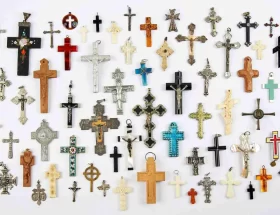
Civilizations relied on jewelry as a shield long before fashion existed. Egyptians trusted scarabs for rebirth, Greeks valued symbols of strength carved into metal, and Vikings used runes to guard against danger or attract fortune. These pieces served as physical expressions of belief.
Modern designers reinterpret these motifs with contemporary ethics. Lab-grown diamonds replace mined stones in many collections and offer clarity, durability, and beauty without environmental impact. Sustainable materials turn ancient protection symbols into talismans suited for the future.
Love, Legacy, and Family Tokens
Jewelry often carried love through generations. Victorian lockets held portraits or locks of hair. Sailors gifted rings before long voyages as promises of return. Families passed down pieces to preserve lineage and memory.
Today’s heirlooms adopt new forms. Ethical diamonds and recycled metals preserve tradition while aligning with modern values. An engagement ring or pendant becomes both a continuation of history and a reflection of conscious choices.
What Makes a Piece “Personal Talisman”
A personal talisman grows from emotion rather than price or rarity. Its meaning depends on intention, symbolism, and emotional connection.
Intention and Emotional Charge
The moment a piece becomes meaningful often arrives unexpectedly. It may happen at a milestone, after loss, or when someone sets a new direction in life. Intention shapes symbolism. A ring tied to a breakthrough carries courage, while a necklace chosen in a difficult period carries healing. Emotional charge gives the jewelry its depth.
Material, Shape, and Symbol
Materials and shapes influence how a talisman feels. A cool metal against the skin, a geometric shape with sharp clarity, or a round, soft-edged pendant each creates a different resonance. Lab-grown stones add symbolism tied to transparency, truth, and mindful choices.
Common ways people personalize their symbolic pieces include:
- Engraved dates or words
- Birthstones
- Symbols tied to belief or mythology
- Recycled metals represent renewal.
Each detail creates its own quiet message. A symbol may echo hope or protection, a metal may suggest resilience, and a shape may reflect balance or desire. Together, they form a piece with a private meaning that only the wearer fully understands.
How Modern Wearers Use Jewelry to Tell Their Story
Today’s world moves fast, yet many people seek grounding through symbols that remind them of what matters. Jewelry steps into this role naturally. It carries identity without noise and expresses depth without explanation.
Heritage and Roots
Many wearers choose symbols connected to ancestry. Celtic knots, Slavic sun motifs, Mediterranean protection symbols, or traditional patterns offer a bridge to family history. Ethical craftsmanship ensures that heritage pieces align with modern values and environmental awareness.
Self-Expression in a Fast World
Minimalist pendants, geometric rings, or asymmetrical earrings often reflect personality more honestly than words. Some choose bold statements, while others rely on subtle designs that whisper confidence. Modern jewelry lets people define themselves without speaking.
Everyday Rituals
Certain pieces appear daily because they provide comfort. A ring touched during stress, a pendant held during a decision, a bracelet worn during work routines, each becomes part of a personal ritual. These small gestures turn into grounding moments.
What Defines the Right Talisman for You
Selecting a talisman depends on instinct as much as style. A piece must feel emotionally aligned and visually resonant. Important considerations include:
- Sensation of comfort or strength when wearing the piece
- Connection to a memory, belief, or personal story
- Preference for certain metals or stones
- Desire for subtle meaning or visible symbolism
- Ethical sourcing and the values behind the craftsmanship.
Each factor contributes to a deeper sense of connection. A true talisman feels honest, steady, and close to the wearer’s inner world. Once the right piece enters someone’s life, it often holds memories with more precision than any photograph.
A Story Carried Beneath the Surface
Personal talismans show how jewelry transcends aesthetics. A ring, necklace, or bracelet may hold courage, heritage, or transformation within its design. Ethical craftsmanship strengthens that meaning and adds a deeper sense of purpose to modern symbols. When chosen with intention, a piece rises above simple adornment and turns into a quiet storyteller that moves through life beside its wearer.