Shopping for clothes online has transformed the way people build their wardrobes. With access to thousands of styles in just a few clicks, it has never been easier to compare prices, discover new brands, and experiment with personal style. The same convenience, however, also makes impulse purchases remarkably easy. A basket filled in minutes can quickly become a collection of clothes that rarely leave the closet.
How to Shop for Clothes Online Without Regret
The most satisfying purchases are rarely the trendiest or the cheapest. They are the pieces that fit well, work with your existing wardrobe, suit your lifestyle, and continue to earn their place long after the excitement of checkout fades. A thoughtful approach allows you to enjoy discovering new fashion while avoiding unnecessary spending, disappointing deliveries, and frequent returns.

Start With a Wardrobe Plan
Before opening a shopping app, decide exactly what you need. Instead of searching for "something cute," think in complete outfits. Perhaps you need a lightweight blazer that works with your favorite jeans, or comfortable loafers that complement several work outfits.
A capsule wardrobe does not have to be minimalist. Its purpose is simply to make getting dressed easier by choosing versatile pieces that coordinate naturally with one another. Before adding anything to your cart, check your closet for similar items. A new purchase should solve a problem, expand your styling options, or replace something that no longer serves you.
Use Shopping Filters to Narrow Your Choices
Large online fashion retailers can feel overwhelming. Filters help turn thousands of products into a manageable selection. Start with size and category before narrowing by color, price, neckline, sleeve length, fabric, or occasion.
Rather than comparing dozens of similar products, save a handful of promising options and review them side by side. Consider how each piece works with your wardrobe essentials, shoes, outerwear, and accessories. Thinking in outfits instead of individual garments usually leads to more satisfying purchases.
Read Clothing Reviews Carefully
Customer reviews often provide information that product descriptions cannot. Real-life photographs reveal how fabrics drape, whether colors match the listing, and how garments fit different body types.
Instead of focusing only on star ratings, look for consistent patterns. Reviews that discuss measurements, construction, comfort, durability, and care are generally more useful than brief comments offering only praise or criticism.
Choose the Right Size Every Time

Sizing varies between brands, making the size chart more reliable than the label you normally wear. Measure your bust, waist, hips, inseam, and shoulder width regularly, then compare those numbers with each product's measurements.
Also consider fabric stretch and intended fit. Structured woven garments typically allow less flexibility than knit fabrics, while oversized silhouettes naturally provide more room. If you're between sizes, think about how you prefer the garment to fit and whether minor tailoring would be worthwhile.
Evaluate Fabric Quality and Care
Fabric composition influences comfort, durability, and appearance, but it tells only part of the story. Construction details such as lining, stitching, hems, closures, and fabric weight often determine how well a garment performs over time.
Care instructions deserve equal attention. Clothing that requires frequent dry cleaning or delicate maintenance may not suit an everyday wardrobe, even if the purchase price seems attractive.
Choose Trends That Support Your Personal Style
Fashion trends should inspire your wardrobe rather than define it. Before purchasing a trend-driven piece, ask yourself where you will wear it, what it pairs with, and whether it creates at least three complete outfits using clothes you already own.
If you're experimenting with a new color, silhouette, or print, accessories often provide a lower-risk way to try something different while keeping your wardrobe cohesive.
Refresh Your Wardrobe With Accessories
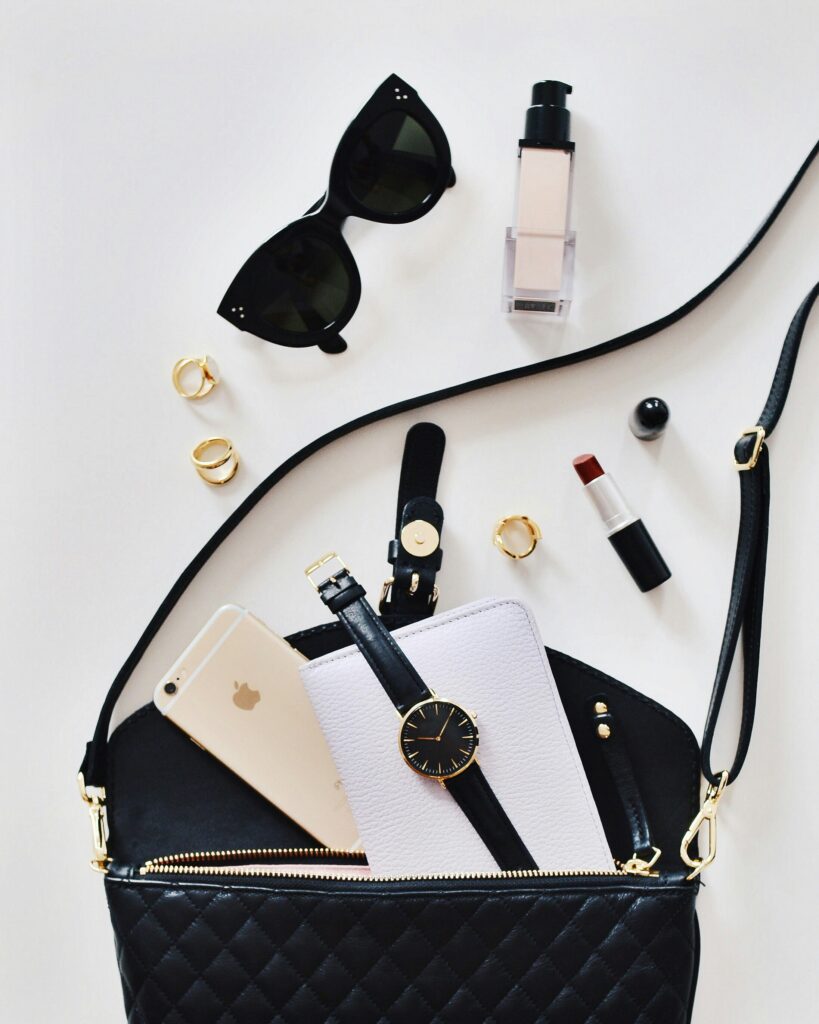
Accessories can dramatically change the character of familiar clothing. A structured handbag, leather belt, silk scarf, or classic jewelry can transform simple wardrobe staples into polished outfits without requiring an entirely new wardrobe.
Choose accessories with versatility in mind. Pieces that complement multiple outfits generally provide greater value than statement items reserved for a single occasion.
Avoid Impulse Purchases
A wish list is one of the simplest ways to shop more intentionally. Saving an item for a day or two creates enough distance to decide whether it truly fills a wardrobe need or simply feels exciting because of a limited-time promotion.
Before checking out, ask yourself whether you would still buy the item at full price, whether it coordinates with your existing wardrobe, and whether you can realistically picture wearing it often.
Review Shipping and Return Policies
Always check the complete cost of an order, including shipping, taxes, and any additional fees. Read return policies carefully, especially for discounted merchandise, and confirm return windows, garment condition requirements, and refund methods before purchasing.
When shopping for an event or holiday, leave enough time for delivery, exchanges, and alterations. Planning ahead reduces unnecessary stress.
Build a Wardrobe That Lasts
Affordable fashion makes experimentation possible, but value is determined by far more than price alone. Consider comfort, versatility, quality, care requirements, and how frequently each piece will be worn. Cost per wear is often a better measure of value than the initial price tag.
Whether you shop from independent designers, department stores, or large online fashion retailers, the same principles remain true: buy with intention, compare measurements, understand fabrics, and choose pieces that naturally complement your existing wardrobe.
The best wardrobe is not the biggest one—it's the one where every piece earns its place. Thoughtful shopping leads to greater versatility, less waste, and a personal style that feels authentic season after season.