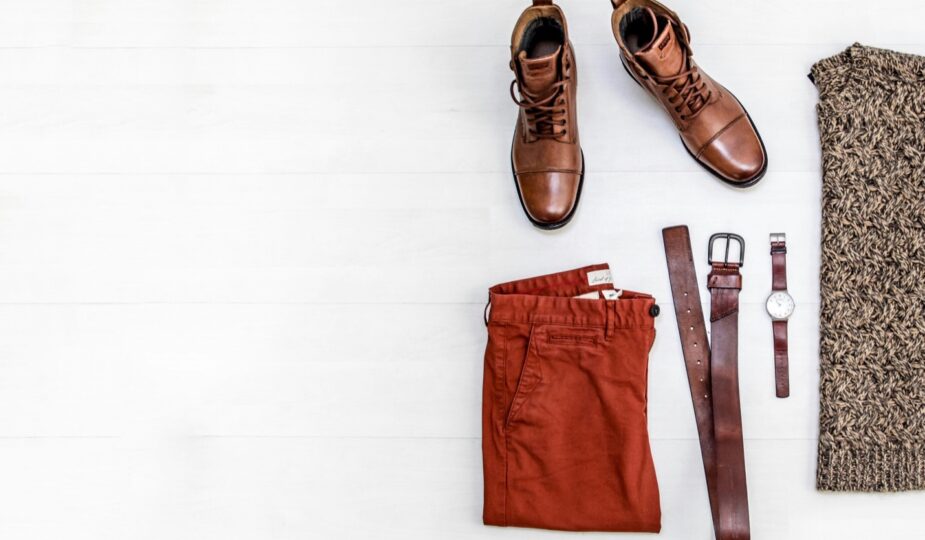
Comfort and style are often presented as opposites, as if a polished outfit must pinch, rub or restrict movement. In practice, the most convincing everyday clothes tend to work with the person wearing them. They fit the body, suit the day ahead and leave enough ease for ordinary movement. That does not mean every outfit needs to be loose or casual. Comfortable dressing can include crisp shirts, tailored trousers, dresses, knitwear and smart shoes. The aim is to choose each element with purpose, then combine relaxed and structured pieces in a way that still feels recognisably yours.
Start With Fabric Performance
Fabric matters, but the original natural-versus-synthetic rule is too simple. A fibre label is a useful starting point, not a complete verdict on comfort or quality. Natural fibres can feel cool, soft or warm depending on the material and construction, while manufactured fibres and blends may add stretch, shape retention, lightness or easier care. A stiff cotton can be less comfortable than a soft, well-made blend, just as a poorly finished synthetic can feel clammy or scratchy.
Handle the garment rather than judging it from the hanger. Check the inside as well as the outside, especially seams, labels, linings and areas that will sit close to the skin. Stretch the cloth gently and see whether it returns to shape. Hold it to the light if opacity matters, and consider whether its weight suits the season. The most useful question is not whether one fibre is always better, but whether this particular fabric works for this particular garment and routine.
Care also affects comfort in the long term. Read the label before buying and decide whether the washing, drying and ironing instructions fit your habits. A beautiful everyday top that requires impractical care may spend more time in the laundry basket than in an outfit.
Choose Fit for Movement
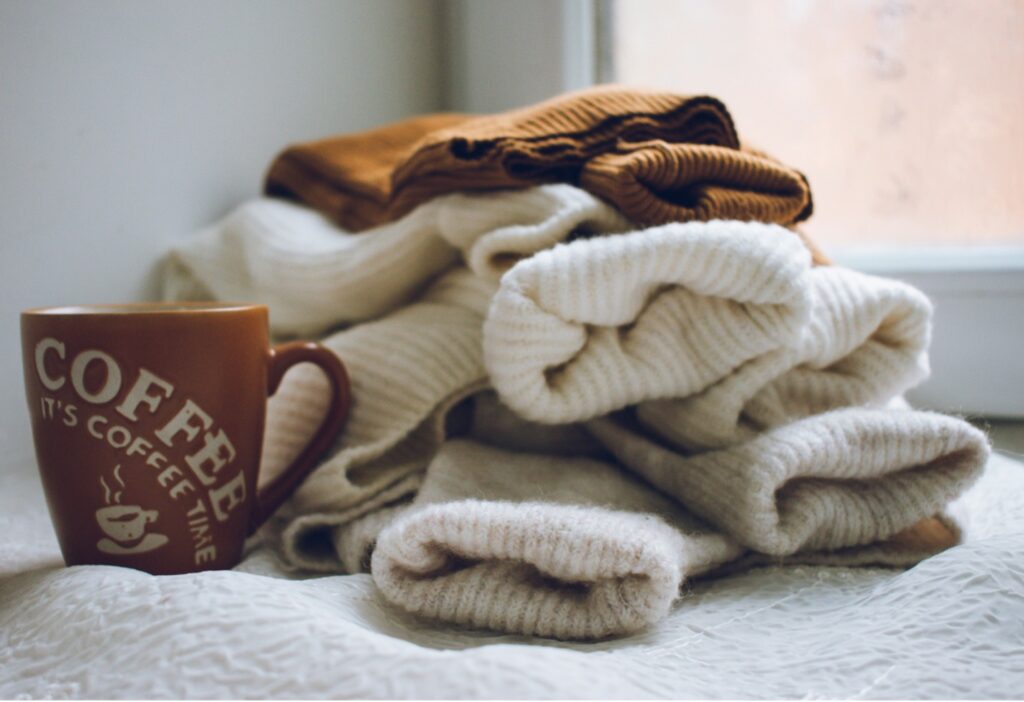
Comfortable fit is neither skin-tight nor automatically oversized. It allows the garment to sit as intended while leaving room to breathe, bend, sit and reach. Check the shoulder, neckline, waistband, rise and sleeve length rather than relying on the size printed on the label, which can vary between brands and cuts.
Try clothes in the positions your day demands. Sit down in trousers before buying them. Lift your arms in a shirt or jacket. Walk in a skirt and notice whether it twists or rides up. A relaxed silhouette can still look deliberate when the proportions are clear, while a more fitted piece should not pull across seams or require constant adjustment.
Balance Relaxed and Structured Pieces
Combining different levels of structure is an effective way to make comfortable clothes look intentional. Soft wide-leg trousers can work with a neat knit or crisp shirt. A roomy jumper can be balanced by straight jeans, a column skirt or a clean trouser line. The contrast creates definition without turning the outfit into a formula. Structure does not have to mean stiffness. It may come from a collar, a shoulder seam, a defined waistband, a tidy hem or a jacket that holds its shape. Equally, relaxed does not have to mean shapeless. The strongest combinations usually have one or two clear lines, with enough softness elsewhere to keep movement easy.
Build Basics Around Your Own Life
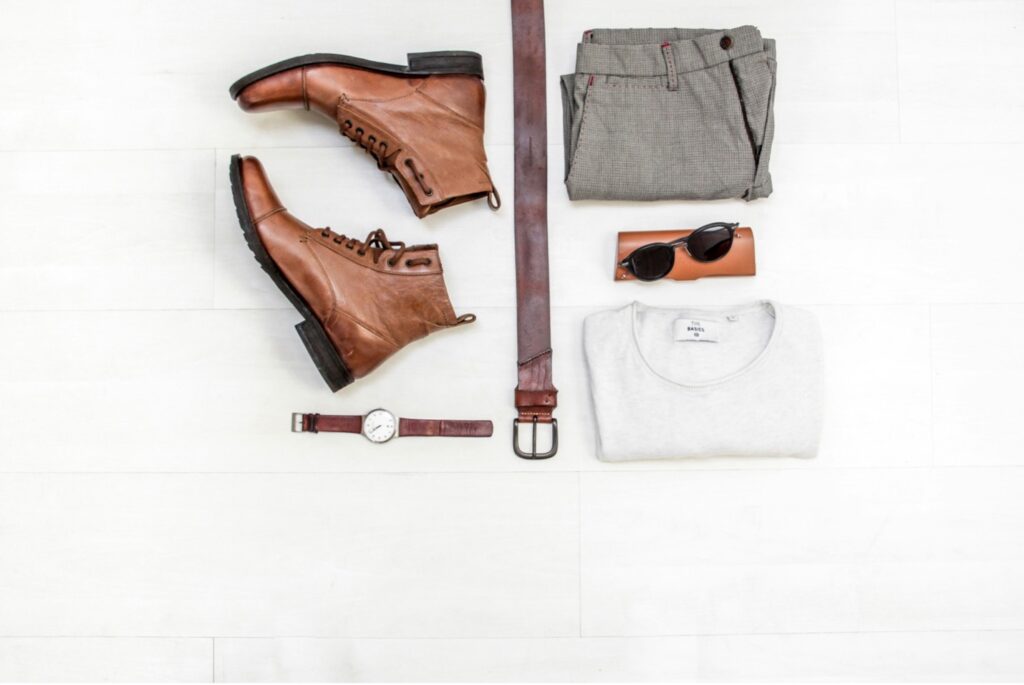
Useful basics are personal. One wardrobe may depend on dark jeans and fine-gauge jumpers; another may revolve around loose dresses, soft tailoring or washable shirts. Before buying a list of supposed essentials, look at what you already wear and identify the gaps. The best basic is the piece that supports several real outfits, not the item that appears most often in generic wardrobe advice. Quality is not guaranteed by price. Look at the stitching, hems, fastenings and fabric recovery, then consider how the piece will be worn and cared for. A dependable T-shirt, trouser or cardigan earns its place by fitting well, combining easily and surviving regular use. Statement pieces can still matter, but they are more useful when the wardrobe beneath them is sound.
Make Room for Proper At-Home Comfort
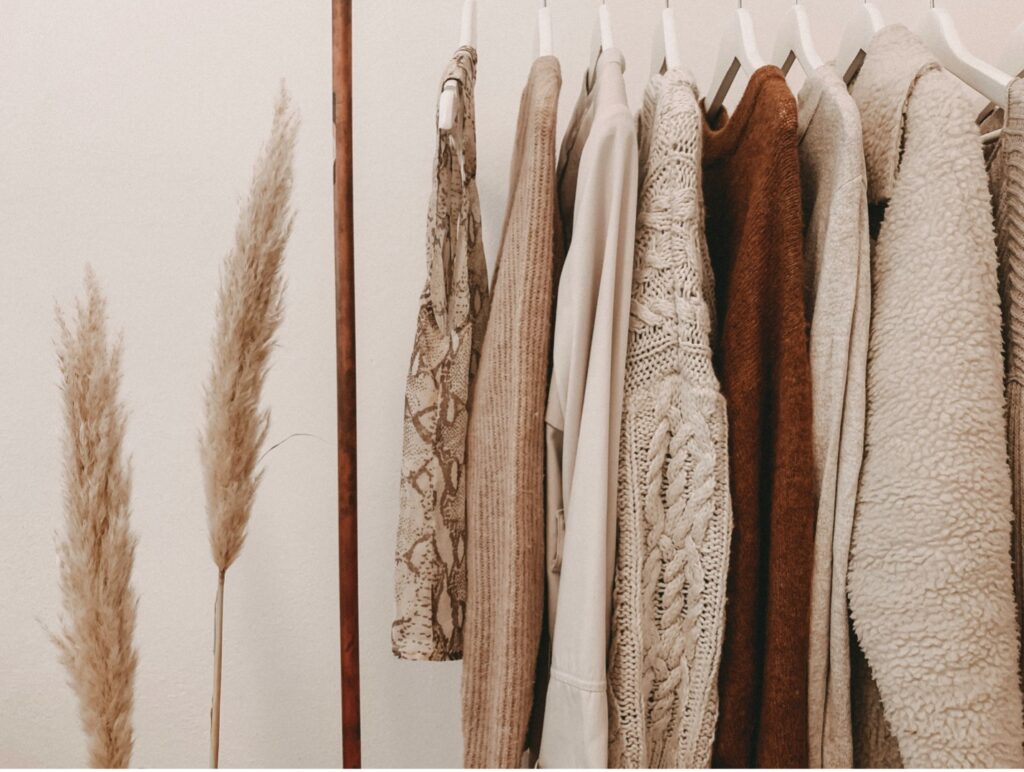
Home clothes deserve the same thought as the rest of the wardrobe. A few comfortable pieces to lounge around the house can make the transition from work or errands into downtime feel clearer. The aim is not to dress for an audience at home, but to choose pieces that feel pleasant, fit properly and still reflect personal taste. A coordinated set, robe, soft trouser or warm layer may all be useful, depending on the household and routine. Avoid calling any one product an investment without considering likely wear, construction and care. A modest collection that is used regularly offers more value than a drawer of near duplicates.
Treat Footwear as Part of the Outfit
Shoes can undo an otherwise comfortable day, so fit and function deserve as much attention as colour or shape. Try on both shoes, walk in them and check that there is room for the toes without the heel slipping. The right pair should suit the activity as well as the outfit. A long day on foot calls for a different choice from a short dinner or formal event. Comfortable footwear is not limited to trainers. Loafers, ankle boots, ballet flats and low heels can all work, depending on the foot and the construction of the shoe. If a new pair pinches in the shop, do not depend on an uncertain breaking-in period. A shoe that fits properly from the start is a better foundation for confident movement.
Use Layers to Adapt
Layers help an outfit cope with changing temperatures and settings. Start with a base that feels comfortable on its own, then add a cardigan, overshirt, jacket or scarf that can be removed without leaving the outfit unfinished. This is particularly useful when a day moves between home, transport, work and outdoor errands.
Keep the bulk in proportion. Two fine layers may feel easier than one heavy piece, while a structured outer layer can sharpen a soft base. Repeating a colour or texture across the outfit helps separate layers feel connected rather than accidental.
Let Accessories Add Personality
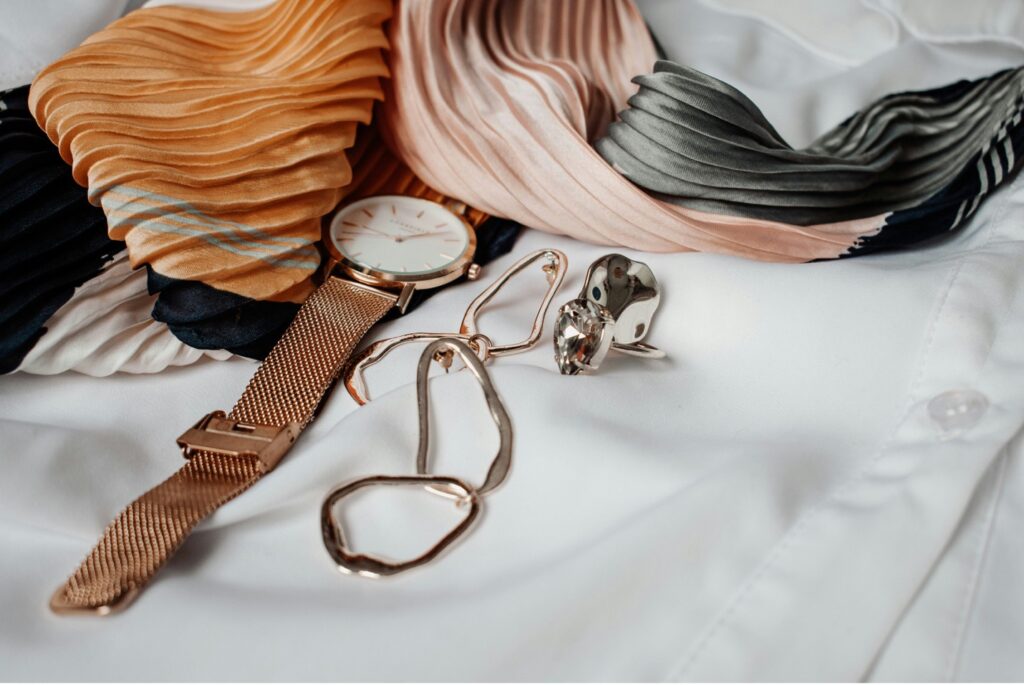
Accessories can give simple, comfortable clothes a point of view. A scarf, watch, bag, belt or piece of jewellery may add colour, texture or polish without changing the fit of the outfit. One well-chosen detail is often enough, particularly when the clothes already contain pattern or volume. Choose accessories for the day rather than treating them as decoration alone. A cross-body bag leaves the hands free; a soft scarf can add warmth; a lightweight necklace may be more practical than large earrings for an active day. The detail should support the wearer, not create another source of fuss.
Dress for the Day You Actually Have
A useful outfit begins with the schedule. Consider the temperature, the amount of walking or sitting, the people you will see and whether you need to move between casual and more polished settings. This does not remove creativity. It gives style a realistic framework.
If your day includes working from home, the school run and a trip to the shops, a comfortable base with a presentable layer may serve better than either formal clothes you cannot wait to remove or loungewear that feels too private outside. Dressing for real life makes it easier to enjoy clothes instead of managing them.
Comfort Can Still Look Intentional
Comfortable style is less about following a fixed list than paying attention. Notice which fabrics feel good after several hours, which cuts allow movement and which combinations make you feel like yourself. Keep the pieces that pass those tests and be more selective about the ones that do not.
When fit, fabric, footwear and function are considered together, comfort stops looking like a compromise. The result can be relaxed, polished, expressive or quietly practical. It simply needs to suit the wearer and the life being lived.