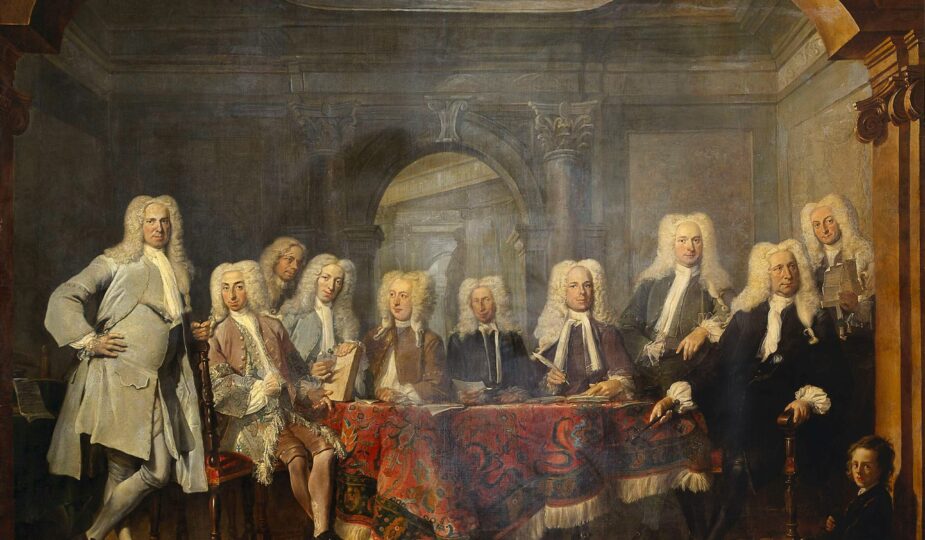
From powdered wigs and embroidered court coats to the modern dinner suit, men's formal wear has changed in response to politics, industry and shifting ideas of respectability. The story is not a simple march from extravagance to restraint. Different garments acquired different meanings, and the boundary between formal and informal dress moved repeatedly.
The suit endured because it could absorb those changes. Its materials, cut, and rules of use have been revised many times, yet the basic language of a tailored jacket and trousers remains familiar. Looking at the people and pressures behind that language reveals how modern formal wear came to be.
Beau Brummell And A New Ideal Of Dress
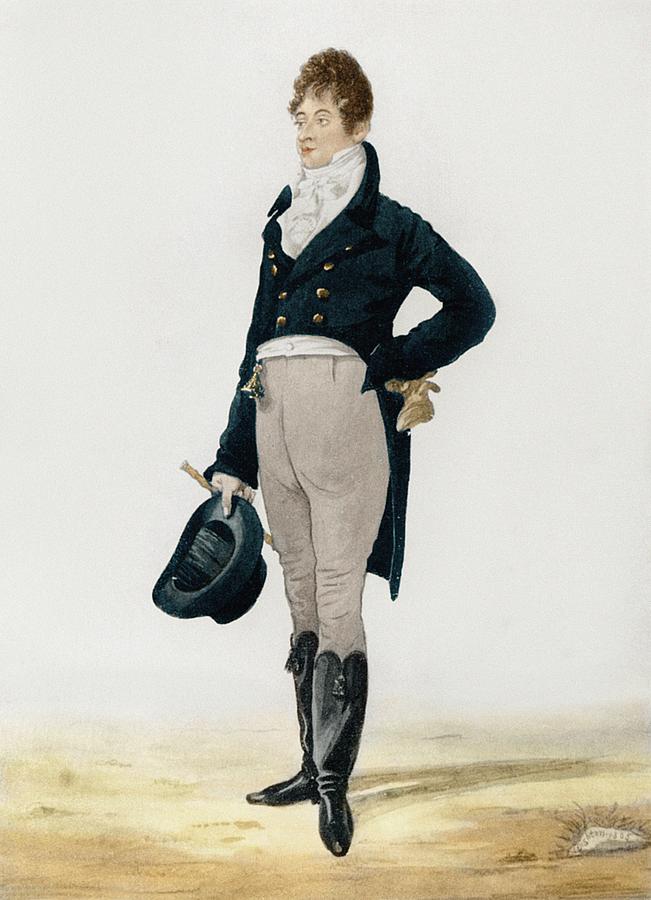
At the turn of the nineteenth century, George Bryan "Beau" Brummell became one of Britain's most influential figures in men's dress. He did not invent the suit single-handedly, but he helped establish an ideal built on clean linen, exact fit, and controlled color. The Metropolitan Museum of Art describes his preference for dark colors set against neutral shades and brilliant white, an approach rooted in the practical clothes of the English country gentleman.
This restraint stood apart from the embroidered silks, elaborate waistcoats, powdered hair and knee breeches associated with eighteenth-century court dress. The French Revolution weakened the prestige of aristocratic display and gave plainness a new political force, but the change was broader than one event. English riding clothes, improved wool cloth and the growing authority of the tailor also shaped the new look.
Brummell's influence lay as much in grooming and proportion as in any single garment. A dark coat, pale waistcoat, carefully arranged cravat and long trousers produced a disciplined silhouette without relying on heavy ornament. His example helped make understated tailoring a sign of taste rather than a lack of wealth. That principle, good cloth and precise cut doing the work of decoration, became central to British menswear.
Victorian Daywear: Frock Coats, Morning Coats And Lounge Suits
During the Victorian era, men's daywear developed a clearer hierarchy. The frock coat, usually cut to the knee with a full skirt, became a serious choice for business and formal daytime occasions. A surviving example dated to about 1840 in the Metropolitan Museum of Art shows how the garment combined comparative simplicity with a strongly shaped silhouette. It projected respectability and authority rather than courtly splendor.
The morning coat followed a different line. Its fronts swept away from the waist, a shape connected with riding and active daytime wear. As the nineteenth century progressed, it moved beyond that practical origin and gained acceptance for formal daytime use. By the end of the century it was displacing the frock coat in many settings, though the two garments continued to coexist.
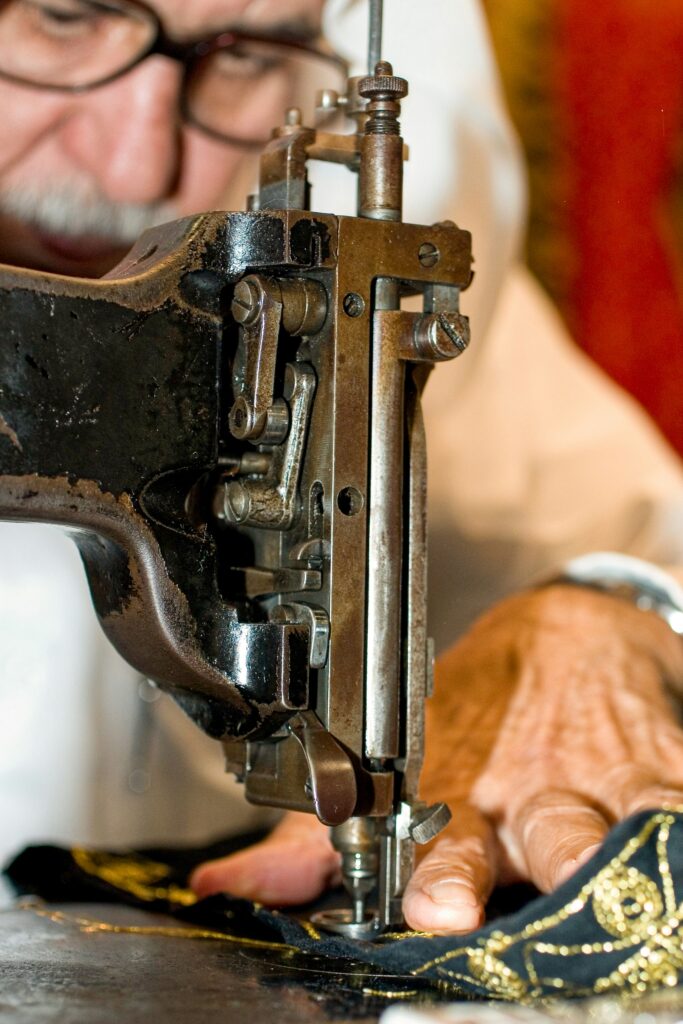
By the middle of the century, Mayfair had become closely associated with elite tailoring. Custom suits remained the ideal for clients who could afford an individual pattern, repeated fittings and hand finishing. Savile Row's reputation developed gradually rather than appearing fully formed: the Savile Row Bespoke Association dates Henry Poole's entrance on the Row to 1846, while other important tailors were already working in the surrounding streets.
At the same time, the lounge suit offered a less ceremonial alternative. Early examples were worn for travel, country visits and leisure, with jacket, waistcoat and trousers often made from the same cloth. Its looser construction suited the expanding ready-to-wear trade because it required less exact fitting than a formal frock coat. The Smithsonian notes that ready-made suits were within reach of many American men by the end of the nineteenth century, long before the world wars. What began as informal clothing became the basis of the standard business suit in the twentieth century.
Evening Dress And The Arrival Of The Dinner Jacket
Evening dress evolved alongside daywear. The tailcoat, white waistcoat and white bow tie formed the most formal combination, while a shorter jacket emerged as a more relaxed option for private dinners. The familiar origin story credits the Prince of Wales, later Edward VII, with ordering a short evening jacket from Henry Poole in 1860. Both the Savile Row Bespoke Association and the Victoria and Albert Museum repeat this account, although it is safer to treat it as the best-known version of the jacket's beginnings rather than an uncontested invention story.
In Britain, the garment became known as the dinner jacket. In the United States, its association with Tuxedo Park helped establish the name tuxedo. It was originally less formal than evening tails, not a replacement for them. By the 1930s, dinner jackets had adopted the softer chest, broader shoulder, and shaped waist seen in fashionable day suits, and black tie had become a distinct level of evening dress beneath white tie.
The Interwar Suit: Comfort, Drape And Cinema
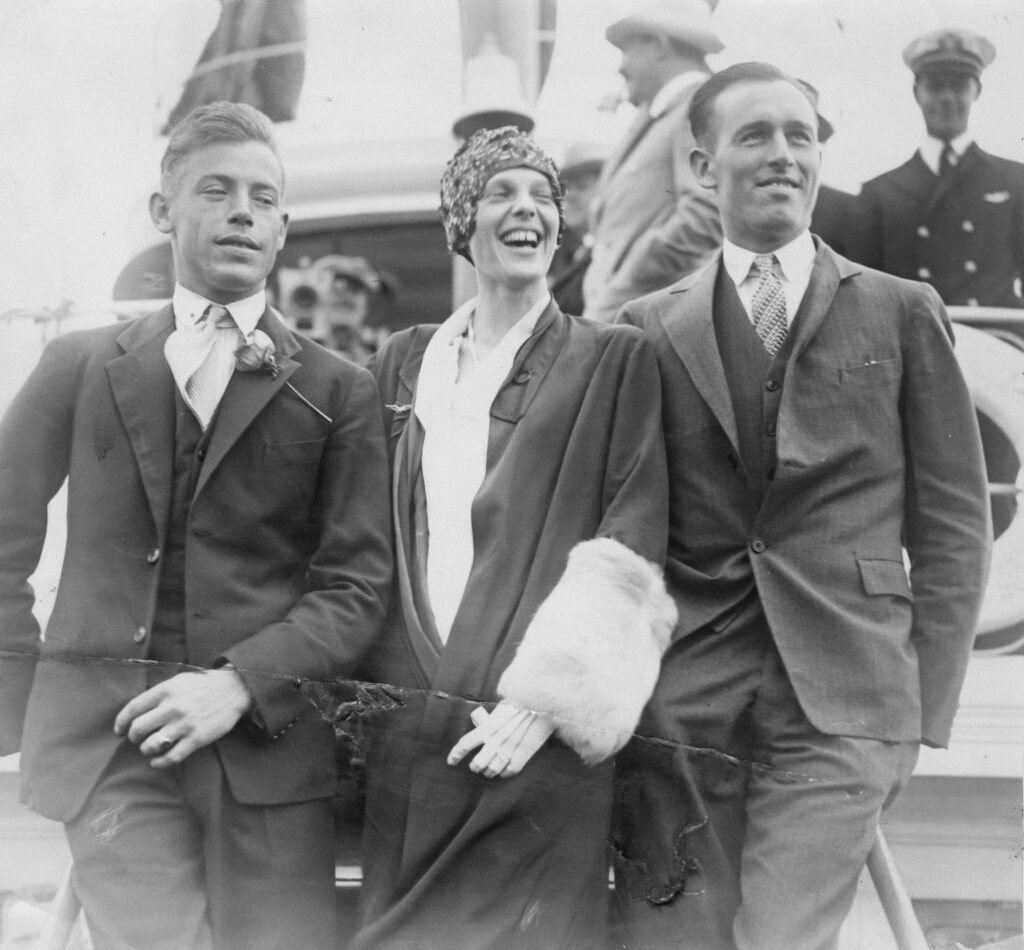
After the First World War, the lounge suit occupied more of everyday public life while some older accessories and dress codes receded. The most influential tailoring development of the 1930s was the drape cut associated with London tailor Frederick Scholte. Rather than holding the torso in a rigid shell, it used extra cloth through the chest and back, a broad shoulder line and a controlled waist to create shape with greater ease of movement.
This was not one uniform international style. Neapolitan tailors explored lighter, less structured jackets, while American makers developed their own interpretations. Film helped familiarise audiences with elegant tailoring, but the period's importance lies in the exchange between tailoring centers and in the balance between comfort and form. High-waisted, often pleated trousers and fuller jackets gave the 1930s suit a recognizable proportion without making every example identical.
War, Rationing And Ready-To-Wear
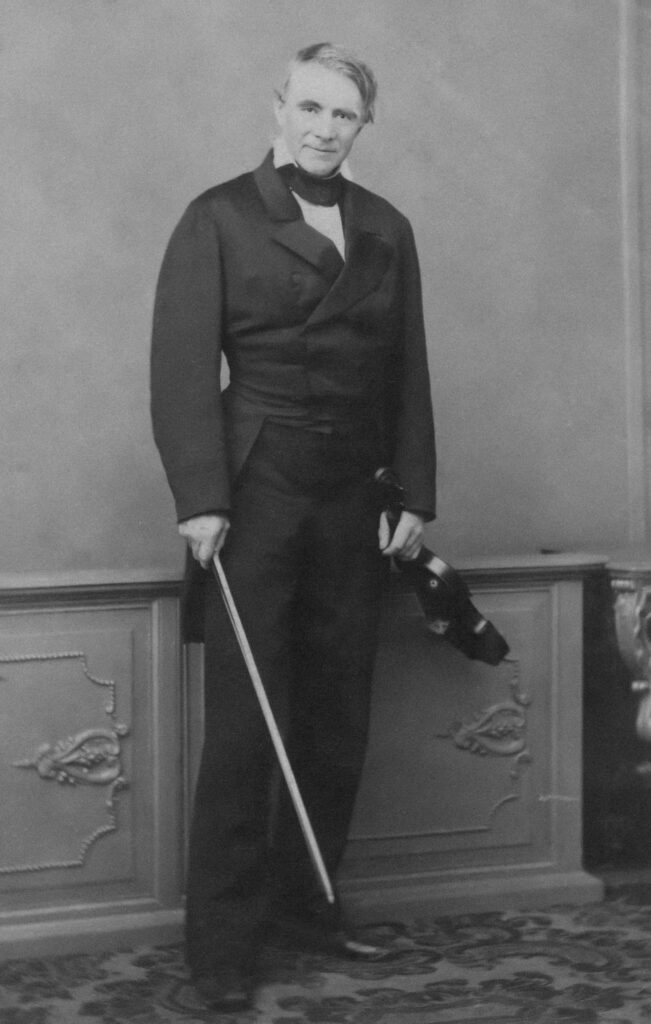
The Second World War brought material economy to the foreground. Britain introduced clothing rationing on 1 June 1941 as wool, cotton and manufacturing capacity were redirected towards military needs. Government controls reduced unnecessary use of cloth, and contemporary guidance records narrow lapels and shorter trousers among the economies applied to men's suits. These rules refined and restricted existing garments; they did not invent the single-breasted jacket, and waistcoats did not disappear overnight.
Nor did wartime austerity create ready-to-wear. Standardized sizing, sewing machines and factory production had expanded the market during the nineteenth century. The war did, however, reinforce an expectation that respectable clothing could be efficiently cut, economical and widely distributed. Bespoke tailoring remained a specialist craft, while ready-made suits became the ordinary route into formal dress for a much larger public.
Post-War Alternatives: Ivy Style, Mods And Power Dressing
Post-war menswear did not move in one direction. In the United States, Ivy style combined Oxford shirts, loafers, tweed jackets, navy blazers and grey flannel suits. The Museum at the Fashion Institute of Technology describes it as a campus look that spread into business and international fashion. Its appeal came from understatement and versatility rather than strict evening formality.
In Britain, the late 1950s Mods treated tailoring as a statement of youth. The Victoria and Albert Museum links the movement to slim Italian-influenced suits, short jackets and a new culture of affordable London boutiques. The silhouette was sharp, but the attitude challenged the idea that a suit belonged only to an older professional establishment. Tailoring could signal precision, music and membership of a subculture at the same time.
By the 1980s, the phrase power dressing described large-shouldered suits worn by ambitious men and women. Broad shoulders, double-breasted fronts and strong pinstripes turned the suit into a visible sign of corporate authority. Designers including Giorgio Armani also explored softer construction, showing that the decade was not defined by padding alone. The common thread was the suit's continuing ability to communicate status, confidence and conformity.
The Modern Gentleman
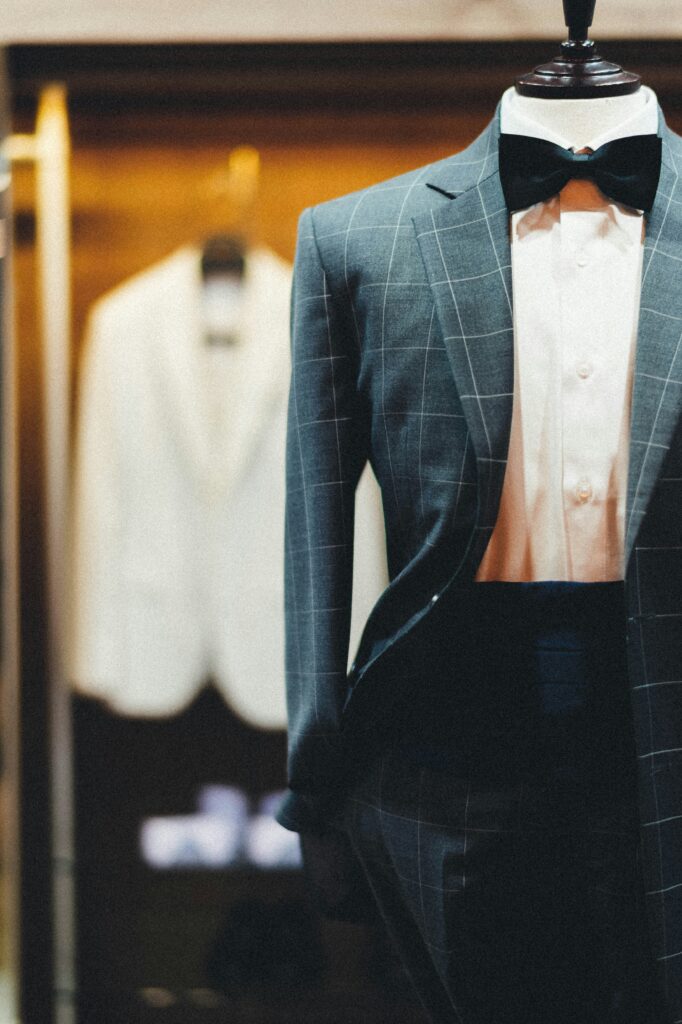
The suit is no longer the default in many British workplaces. A 2023 YouGov survey found business attire among a small minority of workers, while smart casual clothing was much more common. Formal dress survives: black tie remains part of evening events, while morning dress appears at royal garden parties, weddings and the Royal Enclosure at Ascot.
When a man chooses formal wear now, it may express respect for an occasion, professional identity, personal taste or an interest in craft. From Brummell's restrained palette to the Victorian lounge suit and the post-war power suit, formal menswear has balanced rules with reinvention. Its history is not one timeless dress code but a durable structure that each generation adapts to its own life.
