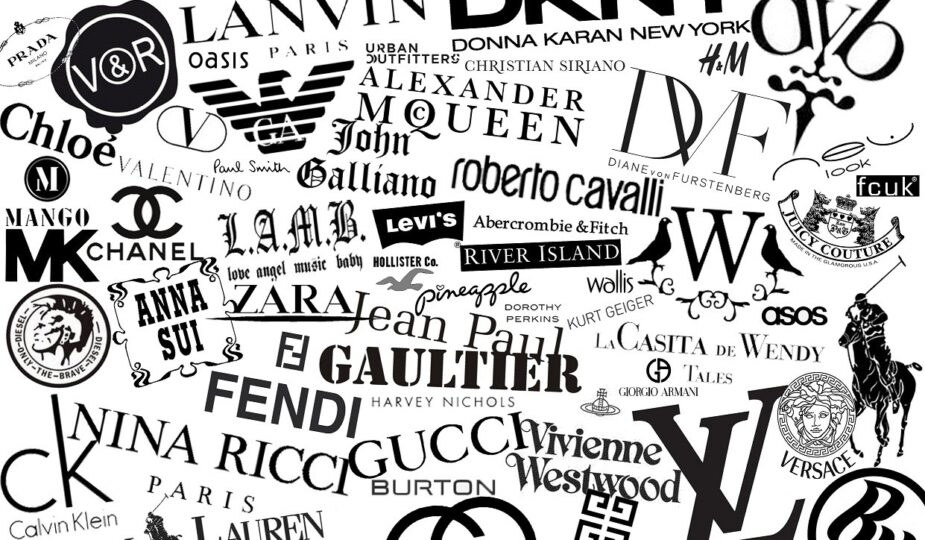
Every fashion brand begins with a name. Before a garment is sketched, before a collection takes shape, before a single stitch is made there is the word that will carry it all.
Fashion names are not just labels. They are cultural markers. They tell us how the industry has evolved, what it values, and how it presents itself to the world. And for anyone starting a business today, understanding this history can make the difference between blending in and building a legacy when it comes to fashion business name ideas.
1850s-1930s: The Founder Era - Names as Signatures
In the early days of modern fashion, names were direct: the designer’s own.
Charles Frederick Worth in the 19th century set the precedent, and others followed: Chanel, Dior, Balenciaga, Yves Saint Laurent. These names acted as signatures. They carried authority, promised authenticity, and tied the garment directly to the vision of its creator.
For new business owners, this era reminds us that a name can still carry enormous weight when it feels personal. Heritage and ownership never go out of style.
1960s-1990s: The Concept Era - Names as Ideas
By the late 20th century, naming shifted. Instead of signatures, some brands chose the abstract, even poetic.
Comme des Garçons (“like the boys”) challenged gender norms. Maison Margiela embraced anonymity, making the name itself an enigma. A Bathing Ape (from Japanese slang) created a cultural identity tied to streetwear long before the world was ready for it.
Here, names weren’t just identifiers, rather they were concepts. They invited customers into a philosophy as much as a fashion line.
For today’s founders, the lesson is clear: a name can be more than just your name if you want. It can be a story, a question, a provocation.
1990s-2010s: The Minimalist Era - Names as Global Brands
At the same time, fashion entered an era of global luxury.
Prada. Gucci. Fendi. Short, bold, and universally pronounceable. These names thrived in a world where fashion houses became international symbols of status.
Minimalism in naming worked because it traveled. A single word could be recognized in Milan, Tokyo, New York, and Dubai.
For new businesses, this shows the value of clarity. A strong, simple name is easier to remember and easier to spread.
2010s-2020s: The Present Challenge - Saturation
Here’s the reality: originality feels harder than ever.
Most variations of “atelier,” “studio,” and “collective” have been used. Minimal one-word names are claimed. Clever puns often sound dated.
This is why many new labels risk sounding generic and in fashion, generic is the enemy of standing out when it comes to a name.
2020s and Beyond: The Future - Creativity Meets Technology
So where do new names come from?
Some will return to their heritage. Others will invent new words entirely. But increasingly, entrepreneurs are finding inspiration in technology.
A Fashion Business Name Generator, for example, doesn’t replace creativity, but it can expand it. One click might give you something sleek and international, another something cryptic and bold. Even if none of the results are picture perfect, the process pushes you into new directions, much like a sketchbook does for design.
For business owners, it’s less about finding “the answer” and more about unlocking fresh possibilities.
Conclusion: A Name Must Feel Like the Brand
The history of fashion names shows us the evolution of the industry: from heritage and authorship, to abstraction and ideas, to minimalist global icons. Each era reveals how names capture identity and culture.
For those launching a fashion business today, this history is both a guide and a challenge. The best names, whether drawn from personal history, bold concepts, or sparks of digital inspiration, are the ones that feel inevitable once you hear them.
Because in fashion, as in history, names don’t just describe. They define.