Introduction to Boot History
Boots have been an essential part of human dress for thousands of years, serving purposes far beyond simple foot protection. From the earliest animal skin wrappings worn by prehistoric peoples to the fashion-forward styles strutting down modern runways, boots tell a compelling story of human ingenuity, social status, and evolving aesthetics. Unlike delicate slippers or open sandals, boots were designed to protect, support, and enable wearers to traverse challenging terrain and weather conditions.
The history of boots is as varied as the cultures that created them. In studying costume history, one discovers that boots have always occupied a unique position in the wardrobe. They were simultaneously practical necessities and powerful symbols of wealth, occupation, and social standing. Today's fashion enthusiasts may slip on knee-high riding boots or ankle booties without considering the centuries of development that led to these modern styles.
The Origin: Roman Empire and Boot Innovation
The expansive Roman Empire, which at its height controlled most of what we now consider Europe, owed part of its military success to intelligent footwear design. The Etruscans first invented hobnail footwear, boots held together with metal tacks, but the Romans perfected this revolutionary design.
These hobnail boots were remarkably durable and rugged. Most importantly, they could be repaired in the field when they began to show wear, a crucial advantage for armies constantly on the move.
Many historians credit these sturdy hobnail boots with enabling Roman soldiers to march long distances on foot, which proved essential to Roman expansion from the Mediterranean regions to the northern reaches of the continent.
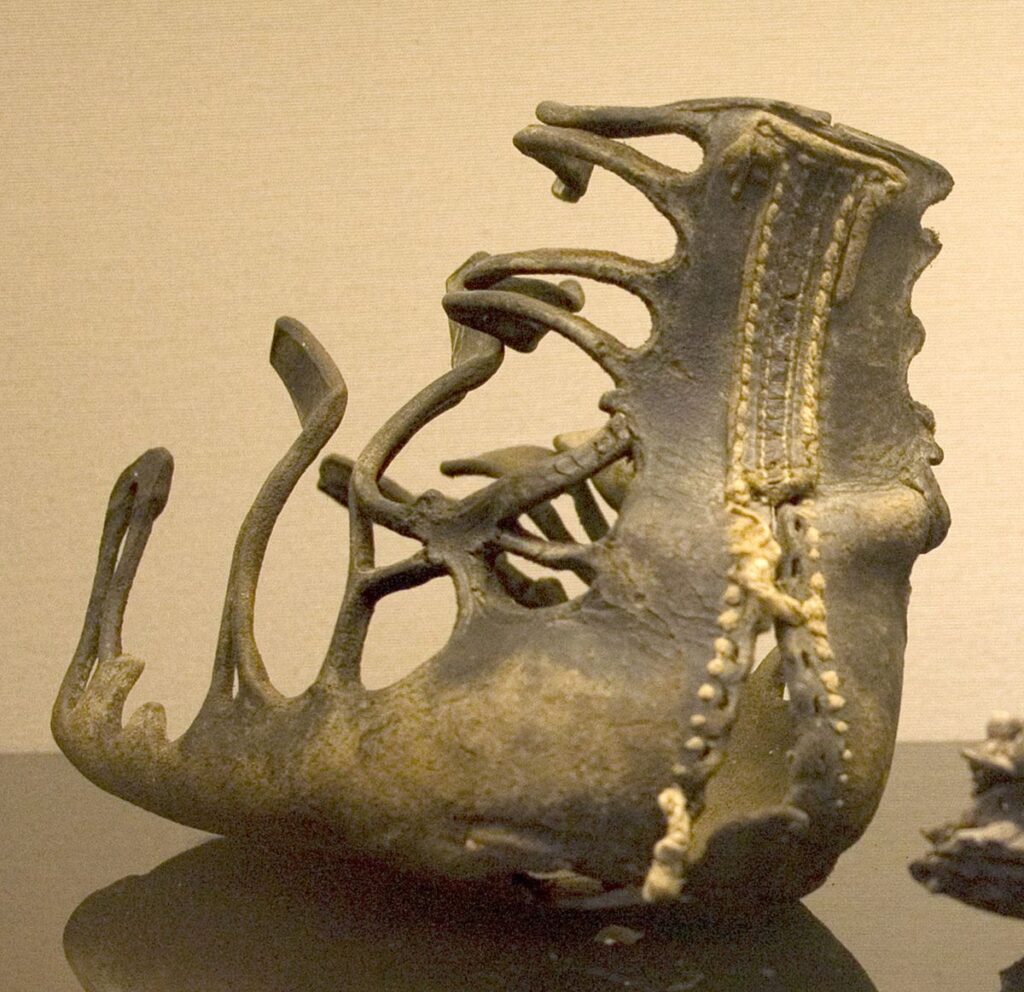
The design was so successful that it remained in use throughout the Roman period and influenced boot-making for centuries afterward.
Another popular Roman boot style was the Caligae, a hobnail boot with a thick, durable sole and an open top that resembled what we might call a gladiator sandal today. Roman cavalrymen and foot soldiers wore Caligae because they were perfectly suited to the warm, humid climates of the Mediterranean. By 301 AD, according to historical documents, Caligae were no longer restricted to military use (see Roman military clothing). These versatile boots were sold to everyday women, men, and children throughout the Roman Empire.
The prosperous Romans eventually added decorative flair to their military footwear. Historical accounts describe how victorious legions returning to Rome would replace the standard copper hobnails in their boots with ones made of gold, silver, or other precious metals as a visible sign of their triumph.
Roman senators and emperors wore boots that were more luxurious still. Upper-class men favored boots made of fine black or white leather that extended to the knee, often adorned with elaborate gold or silver laces wound in decorative patterns at the front.
Boots in the Middle Ages
After the fall of Rome, many of the sophisticated boot-making techniques perfected by Roman cobblers were lost. However, boots remained an essential part of medieval dress. The boots crafted during the Middle Ages were typically made from durable leather pieces stitched together using thick thread or leather strands. Some historians suggest that Goodyear welting, a method of attaching the upper part of a shoe to its sole, was used as far back as the Middle Ages, though this remains a subject of scholarly debate.
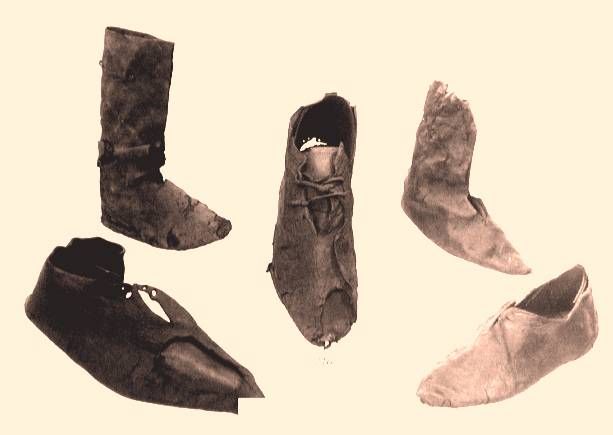
In medieval Europe, civilians commonly wore short, ankle-length boots that protected their feet from the unsanitary, often disease-ridden conditions of city streets. These practical boots nearly all featured toes that tapered to a point and some form of stacked heel.
During the 14th and 15th centuries, an extreme version of the pointed-toe boot became fashionable in parts of Europe. These boots, called poulaines or crackowes, featured extraordinarily long pointed toes.
The length of the toe actually indicated the wearer's social status, with strict regulations governing who could wear what length.
Peasants and farmers were restricted to toe lengths of no more than six inches, while members of the ruling classes wore boots with points that could reach two feet in length.
Military men during the Middle Ages favored tall, simple boots that extended to the knee and beyond. Made of fine, durable leather, these boots were worn pulled up to the thigh when riding horses. When the rider dismounted, the boots could be folded down to a shorter, more practical length.
Victorian Era Boot Fashion
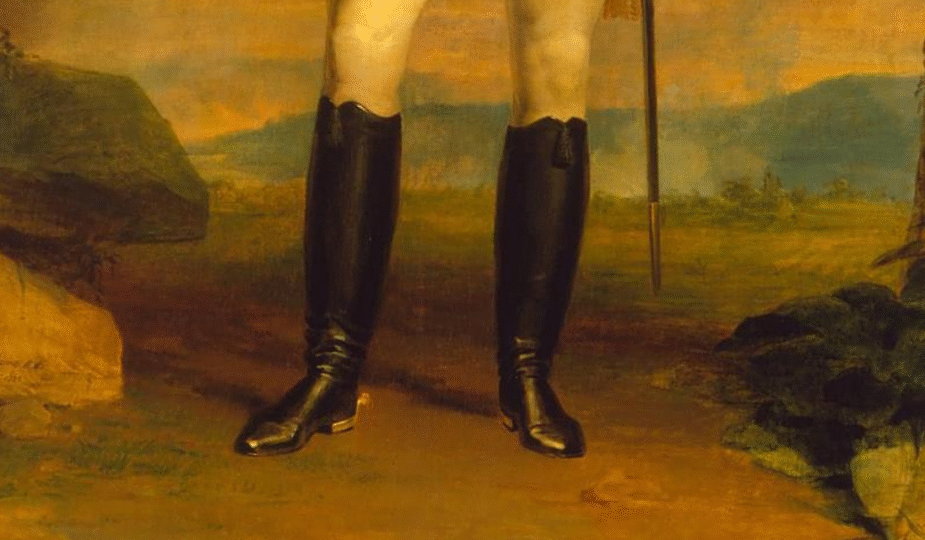
By the 1800s, boots began to closely resemble the styles still worn today. During the Napoleonic Wars in the early 1800s, Arthur Wellesley, the Duke of Wellington, modified the popular military boot style to better suit his preferences.
Instead of the baggy leather boot that could be folded down, he commissioned a tight-fitting leather boot that extended to the middle of the calf. Made of shiny, polished leather and featuring a modest one-inch heel, these Wellington boots became enormously popular among both military men and civilians.
Men soon began wearing Wellington style boots to evening events with their trousers neatly tucked into the boot tops. This fashion spread rapidly, and Wellington boots eventually became the standard footwear issued to the United States Cavalry during the Civil War. The practical design, durability, and relatively streamlined appearance made them ideal for military use.

During the Victorian era, both men and women wore boots on a daily basis. Victorian women, who were particularly fashion conscious, typically wore formfitting leather boots that extended up the calf. Much like the detailed construction methods used in haute couture garments, these fashionable Victorian boots featured intricate lace-up details and feminine stacked heels. The boots offered extra stability when walking on cobblestone streets and other uneven terrain that characterized Victorian cities. They were also praised for their modesty, as they kept a woman's ankles properly covered when out in public, adhering to the strict social conventions of the time.
Victorian men also wore boots when venturing into the public realm. Men's boots were tall leather styles fastened to the calf and leg with buttons, hooks, or laces. These heavy leather boots were worn over trousers or breeches while walking around town, especially in poor weather conditions. Another type of men's boot worn during this era was called spats. These casual ankle boots were constructed from more flexible materials, featured thin soles, and were often attached to the wearer's sock using a special clip. Interestingly, these spats eventually evolved into the modern athletic shoe or sneaker we know today.
The westward expansion in America during the 1800s gave rise to one of the world's most iconic pieces of footwear, the cowboy boot. Riders on the open range in the 1880s needed durable leather footwear that could withstand their active, demanding lifestyles.
An adaptation of the Wellington boot worn by American soldiers during the Civil War, the cowboy boot also drew significant influence from the Mexican riding boot known as the Vaquero. Authentic cowboy boots of this period featured pointed toes that enabled riders to slide their feet easily into stirrups, raised and angled heels that kept the foot securely in place while mounted, and high shafts that protected legs from thorns and rattlesnakes. Unlike modern decorative versions, authentic 1880s cowboy boots had no ornamentation whatsoever other than occasionally attached spurs.
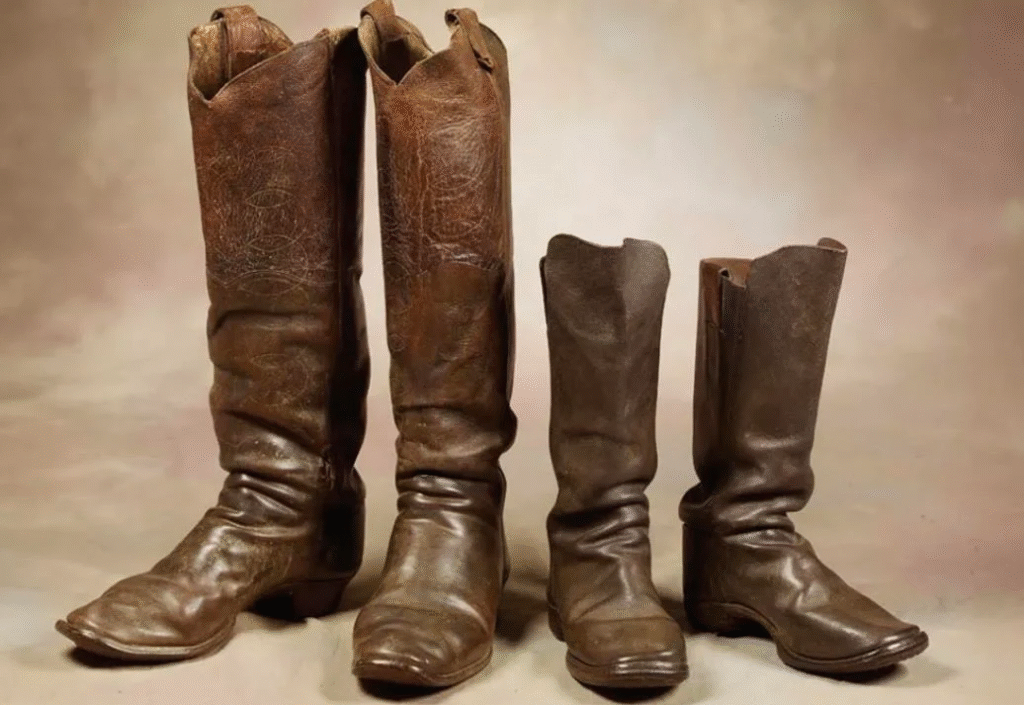
Image credit to Jack’s Western Wear
Boots in the 20th Century
The 20th century witnessed an explosion of boot styles as fashion and function continued to evolve. Western films became incredibly popular during the 1940s and 1950s, which added flash and style to the once strictly utilitarian cowboy boot. Hollywood costume designers, including the renowned footwear designer Salvatore Ferragamo, were enlisted to make cowboy boots more exciting and visually appealing on screen. This collaboration between Hollywood and boot makers gave birth to the colorful, highly decorated cowboy boots we recognize today, complete with elaborate stitching, exotic leather inlays, and decorative details.
The early 20th century also saw the continued popularity of riding boots, which have roots in the original Wellington boot design. Classic riding boots, traditionally made of leather and extending to just below the knee, became associated with equestrian pursuits and country life. Similar to how Edwardian fashion emphasized specific silhouettes and accessories, boots became an important element of a well dressed woman's wardrobe.
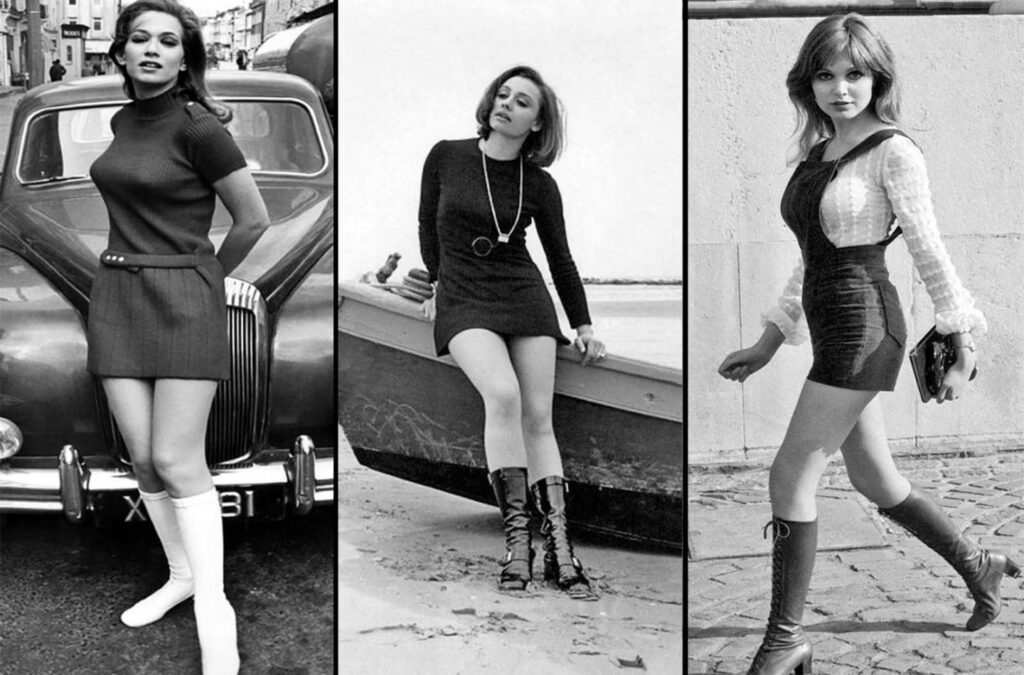
During the 1960s, a revolutionary boot style emerged, becoming an iconic part of fashion history. In 1964, French designer André Courrèges introduced the go-go boot, a stark white, mid-calf boot with a low, blocky heel. Often paired with brightly colored tights or shimmery minidresses, the go-go boot epitomized the youthful, mod aesthetic of the 1960s. These boots represented a dramatic departure from traditional footwear and symbolized the social changes sweeping through Western culture. Young women embraced the go-go boot as a symbol of liberation and modernity.

As the 1960s transitioned into the 1970s, boot heels grew progressively higher. The disco era demanded footwear that was as bold and flashy as the music and fashion of the time.
Platform boots with towering heels became essential for anyone wanting to look fashionable on the dance floor. Much like the dramatic style changes seen in flapper fashion of the 1920s, the 1970s represented a period when fashion took bold, experimental turns.
By the 1980s and 1990s, fashion had swung back toward more practical footwear. People favored low block heels, slouched boots popularized by performers like Madonna, or grunge-inspired combat boots that reflected a more rebellious aesthetic.
Each decade brought its own interpretation of boot fashion, influenced by music, subcultures, and changing social attitudes.
The early to mid-2000s belonged entirely to casual, comfortable boots. The UGG boots, originally designed as practical sheepskin footwear for Australian surfers, became a global phenomenon.
These soft, fur-lined boots were worn year-round by fashion-conscious individuals who prioritized comfort. Timberland boots, created initially as work boots, similarly crossed over into mainstream fashion. This period demonstrated how boots originally designed for specific practical purposes could be adopted and reinterpreted as fashion statements.
Modern Boot Fashion
In recent decades, boots have become one of the most versatile and widely worn fashion items. Women’s fashion especially embraces boots in a huge range of silhouettes. Knee-high riding boots are typically made of smooth or supple leather and are commonly paired with leggings or skinny jeans for polished cold-weather outfits. Ankle boots, or booties, remain wardrobe staples because they pair easily with jeans, skirts, and dresses. Over-the-knee boots continue to appear in trend cycles for their bold, statement-making look. Chelsea boots, recognized by their elastic side panels and pull-on design, offer both convenience and a clean, minimal profile.
The connection between boots and fashion evolves every season. Designers rework classic shapes, experiment with materials, and push boundaries through innovative details. Chunky black combat boots, originally military-inspired, have moved in and out of mainstream fashion since the early 1990s and are currently enjoying renewed popularity. Western-influenced cowboy boots also resurface every few years as part of broader Americana and festival trends. Platform boots, rooted in 1970s disco and later revived by 1990s club culture, regularly reappear on runways and in street style.
In recent years, sustainability has also become a major focus in boot manufacturing. Many brands now incorporate recycled components, plant-based materials, vegetable-tanned leathers, and more environmentally conscious production practices. Increasingly, consumers look for boots that align with their values—durability, ethical sourcing, and long-term wearability rather than just trend appeal.
And just as shoppers have become more thoughtful about fashion boots, the same mindset extends to choosing the right safety footwear. Whether for construction, industrial work, or outdoor environments, modern protective boots now blend function, comfort, and style. Features such as reinforced toe caps, slip-resistant soles, electrical-hazard protection, and supportive cushioning make it easier for people to stay safe without sacrificing comfort. In this sense, today’s boot market spans everything: from high fashion to high performance, reflecting the long journey of boots from purely practical origins to a fully integrated part of daily life.
Cultural Significance of Boots
Throughout history, boots have carried cultural significance beyond their practical purpose. Military boots symbolize discipline, order, and strength. Cowboy boots evoke images of American frontier independence and rugged individualism. Riding boots suggest wealth, leisure, and equestrian pursuits. Combat boots have been adopted by various subcultures as symbols of rebellion or solidarity. The type of boots one wears can communicate occupation, social status, personal style, and cultural affiliations.
In contemporary fashion, boots continue to make powerful statements. Designers use boots to complete runway looks and establish the mood of entire collections. Fashion journalists analyze boot trends each season, noting which styles are ascending and which are fading. Social media has accelerated the spread of boot trends, with influencers showcasing their latest footwear finds to millions of followers.
The versatility of boots ensures their continuing relevance. They transition seamlessly from practical necessity to fashion statement and back again. A sturdy pair of winter boots protects against snow and ice while also completing a stylish cold-weather outfit.
Conclusion
Like many elements of costume history, boots reflect broader social, economic, and technological changes. The development of new materials and manufacturing techniques has continually transformed what boots can be and do. Fashion movements have repeatedly reimagined boots, taking practical designs and elevating them to high style. The interplay between function and fashion that characterizes boot history mirrors patterns seen throughout the broader story of dress and adornment.
As we look to the future, boots will undoubtedly continue evolving. New materials, sustainable production methods, and changing fashion sensibilities will shape the boots of tomorrow. Yet the fundamental appeal of boots, their combination of protection and style, practicality and fashion, seems timeless. Whether we slip on sleek riding boots inspired by Victorian fashion, chunky combat boots with a rebellious edge, or comfortable work boots for a day of labor, we participate in a tradition thousands of years old.
The next time you pull on a favorite pair of boots, consider the remarkable history you are literally stepping into. Those boots connect you to ancient cave dwellers, Roman soldiers, medieval knights, Victorian ladies, cowboy pioneers, industrial workers, and countless others who found in boots the perfect combination of form and function.


