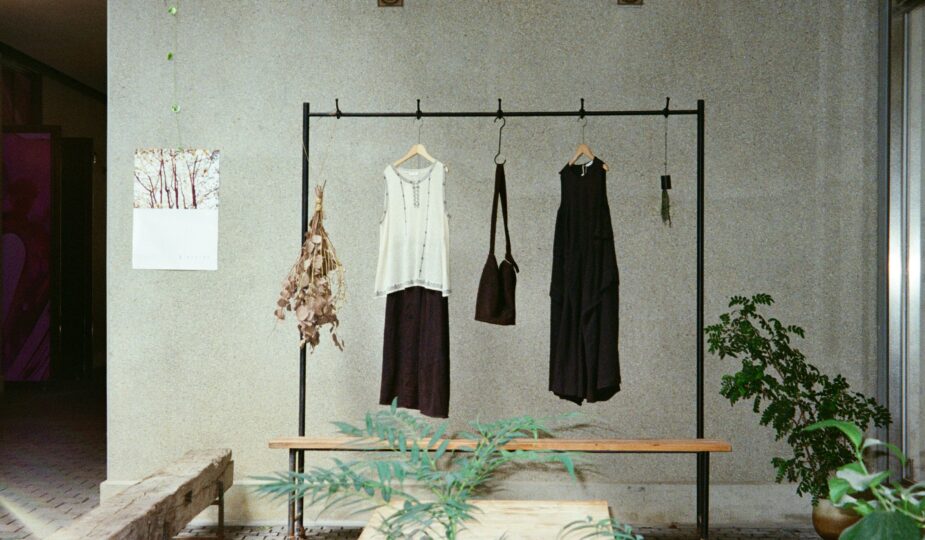
A practical approach to color, proportion, texture, quality and selective shopping
Minimalist fashion is not really about reducing a wardrobe to an arbitrary number. It is about editing with purpose: recognizing the colors and silhouettes you return to, understanding what suits your routine, and giving each new purchase a reason to be there. The result can feel calm without becoming plain, practical without looking uniform, and personal without depending on constant novelty.
That kind of selectivity matters in an online market built around frequent newness. Platforms put an enormous range of options within easy reach, but access is not the same as usefulness. A minimalist approach asks a simpler question: does this piece fit your life, and will it work with what you already own?
Minimalism Starts with Editing
Minimalist fashion places more emphasis on line, fit, fabric and repetition than on heavy decoration. A black blazer, a cream sweater or a crisp white shirt can carry plenty of visual weight when the cut is considered and the styling feels intentional. With fewer competing details, proportion and construction become easier to notice.
Nor is minimalism a single aesthetic. One wardrobe may be tailored, another relaxed, sporty or romantic. The common thread is editing: colors relate to one another, silhouettes can be recombined, and the pieces that remain have a clear place in the wearer's life.
Building a Color Palette
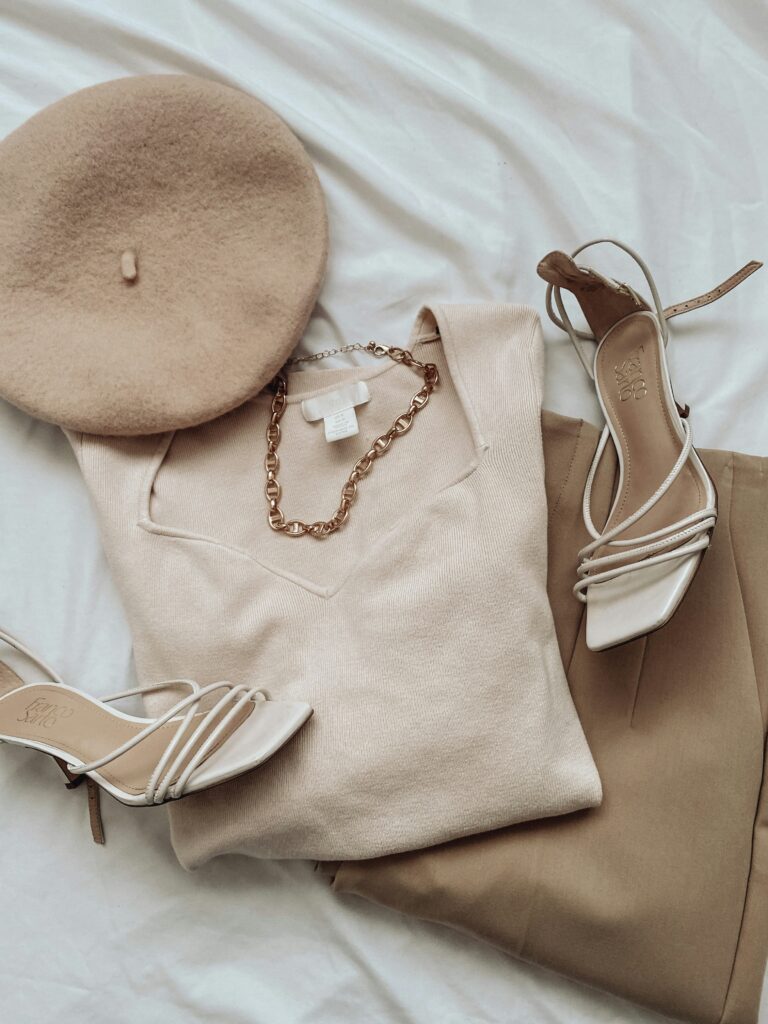
A compact color palette makes getting dressed easier because more garments naturally work together. Start with two or three base colors that already appear in the clothes you wear most. Black, navy, gray, brown, cream and white are familiar choices, but olive, denim blue or another subdued shade can work just as well if it suits your taste.
Neutral does not have to mean colorless. One controlled accent can give a simple wardrobe identity: burgundy, cobalt, forest green or soft pink in a sweater, scarf or bag, for example. The useful test is not whether a shade is officially 'neutral,' but whether the piece can form several outfits with what is already in your closet.
Contrast matters too. Head-to-toe cream feels soft and tonal; black pants with a white shirt create a sharper division. Repeating a color in shoes, a belt or jewelry can make a simple combination feel finished without making it look overly matched.
Basics That Earn Their Place
The best basics are the garments that support your routine, not the ones that appear on a universal checklist. A plain T-shirt may earn frequent wear because it works under a jacket, with jeans or tucked into a skirt. For someone else, a knit polo, button-down shirt or fluid blouse may perform the same role. Climate, dress codes, comfort and laundry habits all change what counts as essential.
Before buying a basic, try naming three outfits you could wear with it immediately using clothes you already own. If every combination depends on another future purchase, the item may not be filling a real gap. This small exercise is often enough to distinguish a useful addition from a duplicate.
A capsule wardrobe can be a helpful planning method, but it does not need a strict piece count. An office worker, a student, a parent and someone who works outdoors will require different foundations. Coherence comes from supporting real life, not from meeting a prescribed number.
Fit, Proportion and Texture
When prints and embellishment are limited, proportion does more of the visual work. An oversized shirt can be balanced by straight or fitted pants, while wide-leg pants often pair well with a shorter or more structured top. Two loose pieces can also look intentional when the lengths are controlled and the fabric has enough drape. The point is not to follow a formula, but to make the silhouette feel deliberate.
Texture keeps a restrained palette from feeling flat. Ribbed knitwear, smooth cotton poplin, denim, pleats, brushed wool and matte leather-like finishes all catch light differently. Pairing a soft sweater with crisp pants, or a structured jacket with a fluid skirt, creates contrast even when the colors stay within the same family.
Fit is best judged in motion. Sit, reach, walk and try layering the garment before deciding. A waistband that shifts, a shoulder seam that pulls or a sleeve that restricts movement will be hard to ignore in a simple piece, no matter how versatile it looked on the hanger.
Accessories as a Point of Difference
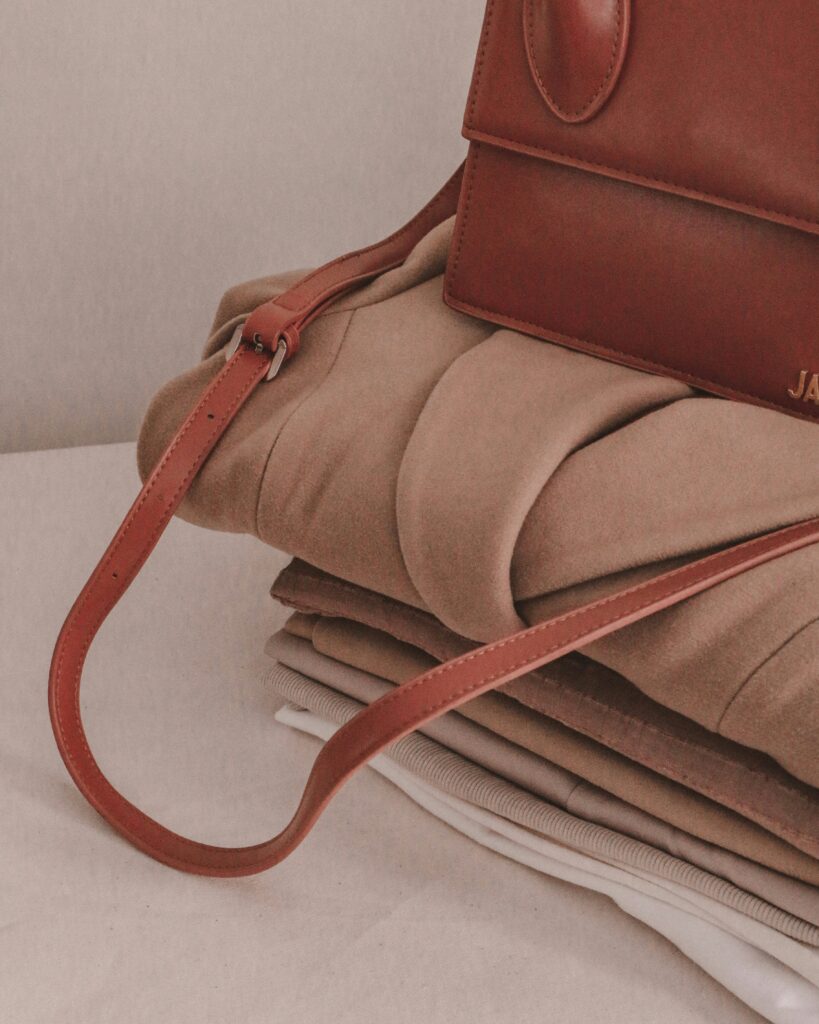
Accessories can change the mood of a minimalist wardrobe without changing its foundation. Sculptural earrings, a patterned scarf, distinctive shoes or a strong bag can become the focus of an otherwise restrained outfit. One deliberate accent often has more impact than several unrelated details competing for attention.
They can also change proportion. A belt can define a loose dress or long blazer, while the scale of a bag can alter the way an oversized coat reads. Repeating a metal tone in jewelry, or choosing shoes close to the color of the pants, can create continuity. These are styling options rather than rules; personality should still be visible.
Minimalism at Different Price Points
A minimalist wardrobe can be built at many price levels because coordination matters more than a label. Existing clothes, secondhand finds, alterations and carefully chosen new purchases can all contribute. Price alone does not establish quality, and a low price does not make a garment useful if it simply duplicates something you already own.
The same standard applies when browsing large online retailers, where basics and trend-driven pieces appear side by side. Read the full description, compare the measurements with a garment that already fits, check the fiber content and care requirements, and review the return policy before ordering. A neutral color or simple shape should never replace those practical checks.
Shopping with a specific gap in mind also helps separate wardrobe building from browsing. Instead of searching broadly for 'minimalist clothes,' look for the exact item you need - perhaps a washable navy cardigan or straight-leg black pants with a particular rise. A narrower search is more likely to solve a real wardrobe problem and less likely to produce a cart full of unrelated basics.
Looking Beyond the Price Tag
Simple clothes put construction in full view. Look for even stitching, pay attention to how the fabric hangs around pockets, hems and closures, and consider whether the material suits the garment's purpose. Thin fabric is not automatically poor quality, just as heavy fabric is not automatically durable.
Fiber-content and care labels are worth reading before you buy. A garment that requires care you cannot realistically provide may spend more time in the closet than on the body. With knitwear, for example, consider pilling, drying space and whether the piece can be reshaped after washing.
Online reviews can be useful for spotting repeated comments about sizing, shrinkage or sheerness, but they are most helpful when read alongside product measurements, close photographs, care details and a clear return policy. Patterns across several reviews usually tell you more than a single enthusiastic or negative comment.
Making Room for Trends
Minimalism does not require rejecting trends. In fact, a stable wardrobe can make them easier to use selectively. A seasonal color, a new shoe shape or one current bag can refresh familiar combinations without forcing a complete reset. The strongest addition is usually one that works with several established outfits and still appeals after the initial novelty fades.
Before buying a trend piece, try recreating the idea with what you own. Roll a sleeve, change the tuck, layer a shirt under a dress or combine proportions in a new way. Styling may provide enough freshness on its own. If a purchase still feels useful, decide which existing garments it will join and what new combinations it makes possible.
A Wardrobe Built Around Real Life
There is no perfect minimalist wardrobe because there is no single life it needs to serve. Work, weather, mobility, social plans and personal taste all shape what belongs. A useful wardrobe may include formal clothes for regular events, practical outdoor layers or expressive pieces that would never appear on a standard capsule list.
Minimalist fashion works best as a process of attention. Notice the outfits you repeat, the fabrics you enjoy wearing and the garments that remain untouched. Keep what supports your life, alter or release what does not, and let future purchases answer specific needs. The aim is not visual perfection. It is a wardrobe that makes getting dressed clearer while still feeling unmistakably your own.


