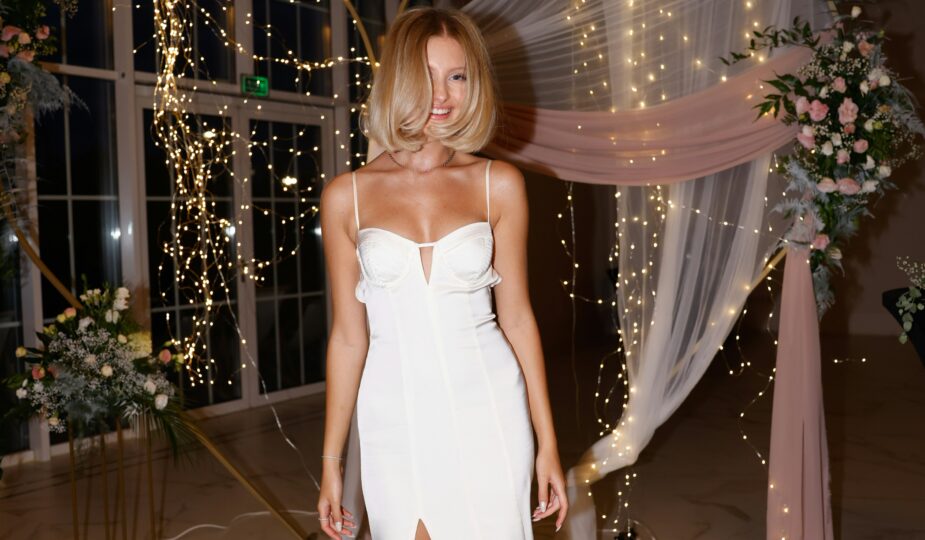
Choosing a prom dress is easier when you decide what the dress must do before you decide how it should look. Start with the event rules, the amount you can spend, and the way you want to move. Then compare silhouette, fit, fabric, color, and support. A dress that looks impressive in a photograph but needs constant adjustment is not the right choice for a full evening.
Prom fashion is broad enough to include full ball gowns, clean column dresses, fitted mermaid shapes, short dresses, jumpsuits, and vintage-inspired styles. The most useful approach is to treat trends as options rather than instructions. The goal is a complete look that feels intentional and remains comfortable while you walk, sit, dance, and take photographs.
Start With the Event and Dress Code
Before shopping, check the school's dress code, the formality of the venue, and any rules concerning necklines, cutouts, slits, or dress length. Prom traditions vary, and a style that suits one event may not work for another. Knowing the limits at the beginning prevents a last-minute alteration or an uncomfortable conversation at the door.
Set a total budget rather than a dress-only number. Include possible alterations, shoes, undergarments, jewelry, a small bag, and a wrap if the evening may be cool. This makes it easier to judge whether a dress is genuinely affordable. A lower-priced gown that needs extensive tailoring can cost more than a better-fitting option with a higher price tag.
Before choosing one gown, browse a varied selection of prom dresses to compare A-line, ball gown, fitted, and open-back shapes side by side. The purpose is not to follow a label or copy a model's styling. It is to notice which construction details suit your movement, the event rules, and the rest of your wardrobe plan.
Choose a Silhouette by Movement and Proportion

Silhouette describes the overall shape of a dress. It affects how the fabric moves, where volume appears, and how easy it is to sit or dance. Instead of treating body shape as a rulebook, look at the relationship between the dress and the effect you want. You may prefer a defined waist, a long uninterrupted line, a dramatic skirt, or a shape that follows the body more closely.
An A-line dress is fitted through the upper body and widens gradually toward the hem. It offers a clear waist without the scale of a full skirt, so it can work in both formal and relatively relaxed settings. A ball gown creates more volume below the waist and often has a structured bodice. Its impact is unmistakably formal, but the skirt needs room in a car, on stairs, and at a crowded table.
A fitted or mermaid dress follows the torso and hips before widening lower on the skirt. The position of that flare changes how freely you can walk. A column or slip-style dress falls in a straighter line and can look modern and understated, although a narrow cut may still restrict stride. Short and high-low dresses can be practical for dancing, provided they meet the event's level of formality and dress code.
Try more than one silhouette even if you arrive with a strong preference. A hanger, product photograph, or social media post cannot show how a dress will balance on your frame. The useful question is not whether a shape is supposed to suit you. It is whether the proportions look deliberate and the dress behaves well when you move.
Check Fit Before You Judge the Size Tag
Formalwear sizing is not always consistent, so use the size label only as a starting point. Compare your current measurements with the maker's size chart, then assess the actual garment. Good fit should not bind, pull, sag, strain, or form deep unintended wrinkles. The neckline should stay in place, side seams should hang cleanly, and a fitted skirt should allow a natural step.
Fit the widest or most structured area first. A tailor can often take in a waist or shorten a hem, but adding room to a tight bodice or hip may depend on the available seam allowance. Complicated beading, lace placement, boning, multiple skirt layers, and an unusual hem can also make alterations more involved. If the dress will need work, ask an experienced alterations professional what is realistic before the return period ends.
Bring the shoes and undergarments you plan to wear to a fitting. Heel height affects the hem, while a different bra can change how the bodice sits. Do not postpone these decisions until the final appointment. The support system under the dress is part of the fit, even when it is not visible.
Choose Color and Fabric as One Decision
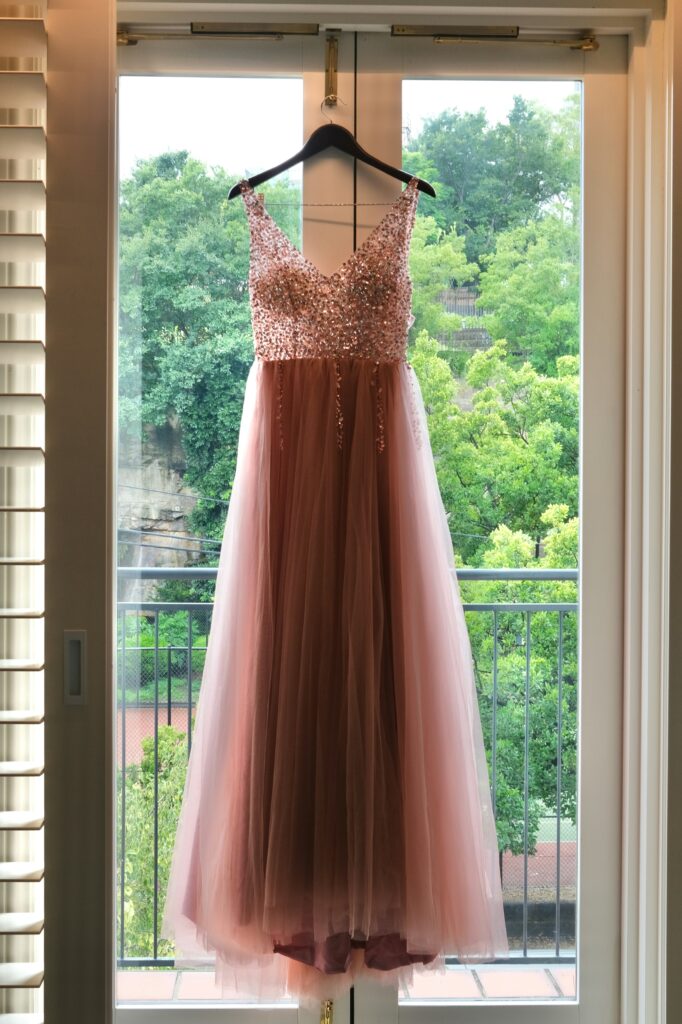
Color and fabric should be considered together because texture changes the way a color appears. Satin reflects light and can make a shade look brighter in photographs. Chiffon and tulle diffuse light and create a softer effect. Velvet absorbs more light, while sequins and metallic surfaces can shift noticeably between daylight, indoor lighting, and camera flash.
Rather than relying on fixed rules about which colors belong to particular complexions, compare several shades near your face. Look at them in natural light and in the kind of indoor light likely to be used at the venue. Take photographs without heavy filters. A color that feels quiet in the fitting room may read strongly on camera, and a very pale shade may require careful attention to lining and undergarments.
Think about the season and the room as well. A heavy fabric can feel elegant but warm on a crowded dance floor. A very light skirt may move beautifully but need a wrap outdoors. If you want a trend-led color, choose it because it works with your coloring, accessories, and personal style, not simply because it appears frequently in current collections.
Plan Neckline Support and Undergarments Early
A neckline changes more than the visual mood of a dress. It determines what kind of support is practical and how often the bodice may need adjustment. Strapless, one-shoulder, halter, square, and deep V necklines each behave differently in motion. Boning, cups, straps, lining, and fashion tape can help, but they cannot rescue a bodice that is fundamentally the wrong size or shape.
Test the neckline while raising your arms, turning, and sitting. Check the view from the side as well as the front. If you spend the fitting pulling the dress up or repositioning the straps, that problem is unlikely to disappear at the event. Choose the undergarments before alterations so the tailor can fit the dress over the exact foundation you will wear.
Test the Dress for a Full Evening
A prom dress has to do more than stand still. In the fitting room, walk at your normal pace, sit on a low chair, climb a few steps if the shop permits it, turn, reach, and mimic a few dance movements. Check whether the lining twists, the slit opens farther than expected, the hem catches under your shoes, or the bodice shifts when your arms move.
Consider how the dress will travel. A very full skirt may need extra space in the car, and a fabric that creases easily may require steaming at the venue. Make sure you can use the restroom without complicated assistance. These details are not glamorous, but they determine whether you can enjoy the evening instead of managing the garment.
Comfort does not mean choosing the least dramatic option. It means choosing drama that the construction can support. A secure fitted gown can be easier to wear than a loose dress that slides, and a large skirt can be comfortable if the waistband, length, and weight are right.
Build the Outfit Around the Dress
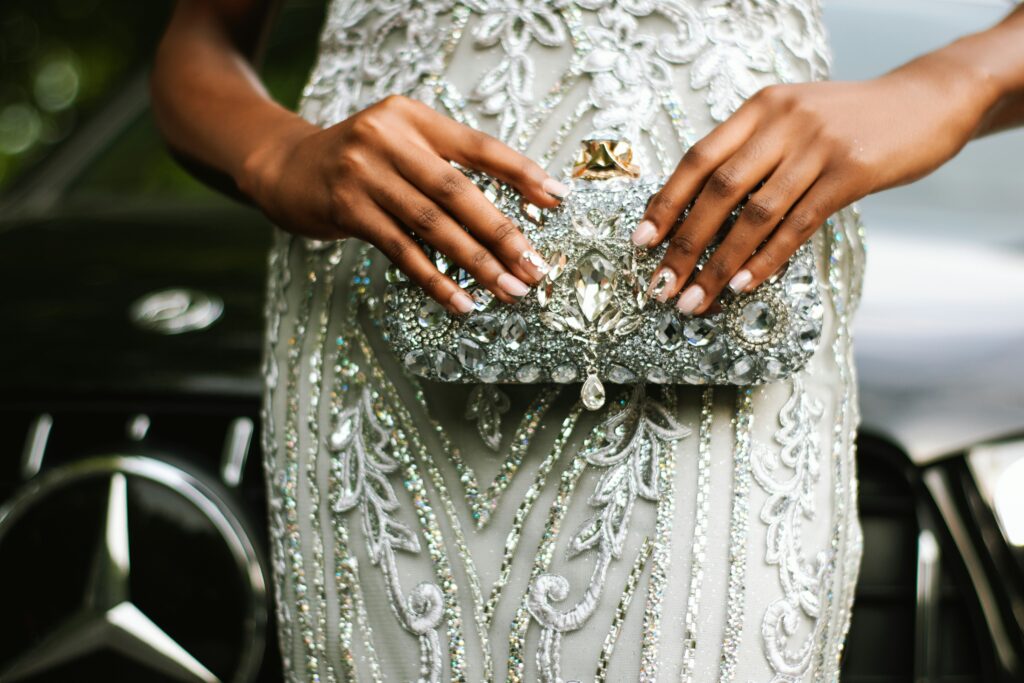
Once the dress is chosen, decide what the outfit still needs. A highly embellished gown may look strongest with simple earrings and a clean shoe. A minimal dress can carry a sculptural necklace, an evening bag with texture, or a more distinctive hairstyle. Keep one focal point rather than asking every element to compete for attention.
Use wardrobe planning to avoid purchases that serve no purpose after one night. Shoes in a wearable neutral or metallic tone may work with future formal outfits. A small bag can be chosen to suit other occasions, and a tailored wrap or cropped jacket may already exist in your closet. Rewear is not a requirement, but considering it can improve value without making the prom look ordinary.
If you are coordinating with a date or friends, aim for compatibility rather than exact matching. Repeating one color in a tie, pocket square, flowers, or jewelry is enough. The photographs will look connected, while each person still keeps an individual style.
Shop Early Enough for Alterations
There is no universal shopping date because delivery times, alteration schedules, and school calendars differ. Begin early enough to compare choices without panic and to allow at least one fitting if the dress needs work. Before paying, confirm the return policy, delivery estimate, special-order conditions, and whether altered merchandise can be returned.
Read the fiber and care labels before making the final decision. In the United States, most textile apparel is sold with fiber identification and care information. Those details can affect comfort, maintenance, and the cost of wearing the dress again. A gown that requires specialist cleaning or careful storage may still be worthwhile, but the commitment should not be a surprise.
Inspect the garment in good light. Check the zipper, hooks, seams, hem, lining, beads, and appliques. If the dress is a floor sample, look for makeup near the neckline, pulled threads, missing decoration, or damage at the hem. Photograph any agreed repairs and keep the receipt and alteration notes together.
A Short History of the Prom Dress
The prom dress is more than a seasonal purchase. It is part of a modern coming-of-age tradition in which formal clothing records changing ideas about youth, celebration, and personal presentation. Fashion historians have treated it as a distinct subject: a 2008 master's thesis in the Fashion Institute of Technology repository examined prom dress in Seventeen magazine from 1949 through 1994.
That span shows why there is no single permanent prom look. Full skirts, narrow columns, decorated bodices, minimalist slips, and vintage references move in and out of fashion, then return in altered forms. Looking at historical styles can be useful, but the best interpretation is selective. Borrow the waistline, fabric, or proportion that appeals to you rather than reproducing a decade from head to toe.
Make the Final Choice
Before buying, confirm four things. The dress complies with the event rules, fits well or can be altered responsibly, allows you to move through a full evening, and stays within the total budget. Then look at the complete outfit rather than the dress in isolation. If two options remain, choose the one that requires fewer compromises and feels most like your own style. That is a more reliable guide than a trend list, a size label, or someone else's idea of the perfect prom dress.


