Picture the palace nursery in autumn: the scent of woodsmoke in the air, the soft rustle of falling leaves, and within, a cradle draped in velvet and edged with lace. Here, a newborn royal slumbers, not merely swaddled for warmth, but wrapped in centuries of tradition. From the thick bindings of the medieval period to the fine flannel nightgowns of the Edwardians, the attire of royal infants was never incidental. Each garment conveyed station, protection, and familial pride.
As infants graduated from swaddling bands to more structured garments, their dress remained ceremonial. Crafted from cambric or lawn, and sometimes delicately edged in lace, royal baby clothes spoke volumes about both the child's rank and the evolving ideals of infancy itself. Though today’s newborn pajamas lean toward function and stretch, there remains a poetic thread connecting the heir’s cradle to the modern nursery drawer.
Swaddling and Symbolism in the Medieval and Tudor Courts
In medieval England, the royal nursery was far less decorative than we might imagine. Yet even the simplest swaddling held meaning. Linen, prized for its purity, was the fabric of choice. Its whiteness reflected both innocence and divine protection.
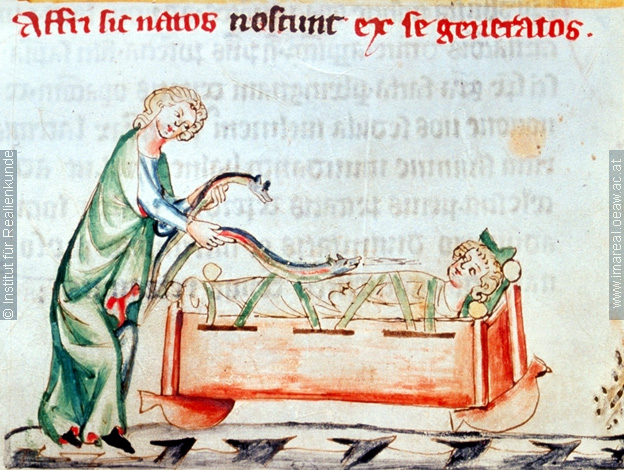
Image on the right: A small child lies in a wooden cradle, watched over by a group of richly dressed women and attendants. Their robes, rendered in rose and lapis hues, signal noble status. One figure gestures as if to bless or inspect the infant, possibly a midwife or lady-in-waiting, a reminder that even birth itself was a public, ceremonial affair in royal households.

Royal babies were tightly wrapped in these linen bands, layered over wool for warmth. In fact, both pictorial and textual evidence from the medieval period demonstrate the ubiquity of swaddling at this time. For example, the English knight Walter of Bibbesworth in his late 13th-century treatise, wrote that:
When the child is born he must be wrapped.
Then lay him in a cradle and get a nurse.

The wealthiest mothers sometimes ordered the edges worked with silk or fine gold thread, ensuring that piety and prestige nestled side by side.
By the Tudor period, fashion and faith intertwined more visibly. Swaddling bands became broader and the fabrics heavier, a sensible choice for draughty stone chambers in early autumn.
Some were lined with quilted silk or velvet, their patterns echoing the same brocades seen in the queen’s own gowns. In portraits of the age, even unseen garments were expected to signify dynasty.
Image on the left: A Royal Birth under Celestial Influence.
A mother reclines in a curtained bed hung with celestial blue, the fabric spangled with stars: a nod to astrology’s role in determining a royal infant’s fate. Beside her, attendants lift the newborn for its first viewing, the cradle prepared with fine linens and patterned coverlets.
Renaissance Royal Baby Clothes: A Public Pageant in Silk and Swaddle
Within the pageantry of Renaissance courts, even the tiniest royals were not exempt from spectacle. The layette of a royal infant was far from a simple bundle of cloth.
It was a sartorial announcement of lineage, privilege, and statecraft.
Swaddled not merely for warmth but for symbolism, these babies were wrapped in silken bands and brocaded fabrics, their tiny limbs bound straight in the belief that it promoted proper posture and health. But beyond the nursery, the garments spoke volumes.
By the mid-16th century, royal babies were no longer hidden behind the high walls of palaces.

Through the flourishing arts of the period, official portraiture, court pageants, engravings, and theatrical display, the royal cradle became a stage. A prime example is Hans Holbein the Younger’s portrait of Prince Edward, the infant son of Henry VIII. There, at scarcely fifteen months old, the child is enthroned in stiff splendor, his rotund body encased in rich red damask, his bonnet tied just so, while every fold of his miniature attire echoes the power and permanence of the Tudor line.
Georgian Grandeur: The Christening Gown as Ceremony
In the 18th century, the Georgian era, the christening gown emerged as both ritual and theatre. The fabric was everything.
Silk satin, gleaming ivory in candlelight, formed the basis for gowns that might take months to complete. Silver-thread embroidery traced the family crest or wove delicate sprays of flowers, miniature works of art for an infant who would not yet walk for a year.
These gowns, often passed from one royal child to the next, symbolized continuity. Beneath the grandeur lay practical wisdom; soft wool or delicate cambric layers cushioned tender skin against the chill of October chapels.
The long, flowing silhouette was entirely unsuited to movement; yet the display mattered more than comfort. Infancy itself, after all, became another stage for royal representation.
Victorian Whimsy and the Sentiment of Heirlooms
Queen Victoria’s reign softened the formality of the nursery. Motherhood became sentimental, and infant wear followed suit. The heavy silks of the Georgian era gave way to filmy muslin, gauze, and fine lawn, fabrics that fluttered gently in the new world of photography.
In portraits, royal babies appear swathed in cascades of lace, their tiny hands framed by cashmere shawls and knitted booties. The emphasis was purity, delicacy, and domestic devotion, qualities the Victorians prized above regal splendor.
These garments became heirlooms. A muslin gown from 1850 might resurface half a century later, carefully mended, its tucks and ruffles still catching the light. Even in palaces, mothers found solace in continuity, a shared act of dressing that bridged generations.

Edwardian Ease: The Dawn of Infant Pajamas


By the early 1900s, the mood of the nursery shifted once again. The Edwardians, enamored with modernity, embraced comfort. Nightgowns, still long and elegant, were joined by new two-piece pajamas, a word imported from the East but swiftly adapted for British homes.
Soft cotton flannel, brushed to a downy finish, replaced the starched linens of old. Nainsook, light and faintly lustrous, became a favored choice for autumn nights. Nurses could now change a baby swiftly without unfastening endless ribbons, a small revolution in domestic life.
Though the royal nursery retained its ceremonial touches, lace at the collar and a monogram at the cuff, practicality had finally found its place beside tradition.
From Palace to Playroom: The Modern Echo
Today’s parents, royal or otherwise, have inherited that long conversation between beauty and comfort. The swaddling cloth has become the muslin wrap; the christening robe, a family photograph; the flannel nightdress, a zippered sleeper in organic cotton. Yet the spirit endures.
Modern collections that pair neutral tones such as oatmeal, soft sage, and rust with textured knits and gentle embroidery quietly nod to their forebears. A hand-crocheted blanket or a cashmere bonnet carries forward the same affection that once wrapped Tudor heirs against the chill.
A Gentle Continuity
Fashioning a nursery with historical grace need not mean drowning it in silk. Instead, let texture and craftsmanship tell the story. A wool-blend swaddle recalls the Tudor warmth; a muslin gown captures Victorian sentiment; a knitted romper in autumnal hues carries the legacy of Edwardian practicality.
History teaches that even in their smallest garments, royal children reflected the values of their age. Today, we weave our own ideals of comfort, sustainability, and love. The velvet and lace may have faded, but the instinct to wrap a child in beauty remains timeless.

