Fox hunting, a sport steeped in both controversy and ceremony, is as much about social codes and costumes as it is about the chase itself. From the cry of the hounds echoing through English countryside lanes to the flash of scarlet coats cresting a hill, this ritual has been central to Britain’s rural elite for over three centuries.
As with many aristocratic pursuits, fox hunting’s visual language, with its garments, colors, and accoutrements, tells a story of class, etiquette, and historical continuity.
Ancestral Roots: From Norman Hunts to the Georgian Golden Age
While the mounted pursuit of foxes is largely an 18th-century development, hunting itself dates back to Norman England. William the Conqueror introduced the concept of forest law: establishing royal preserves and codifying who could and could not hunt.
By the Tudor period (1485 to 1603), the nobility and landed gentry hunted deer and boar, often with hawks or greyhounds.
The fox, however, was not always deemed worthy game. In earlier centuries, foxes were considered vermin, hunted to protect poultry and lambs. It wasn’t until the 17th century, when deer became scarce, rural enclosures increased, and equestrian mastery rose, that fox hunting emerged as a structured pursuit. By the early 1700s, hunts had formed with specific packs of hounds trained to follow a fox’s scent over long distances.
The Georgian era marked fox hunting’s golden age. Figures like Hugo Meynell, known as the “Father of Modern Fox-Hunting,” refined the sport, emphasizing speed, stamina, and control over hounds. It was during this time that hunt clubs began codifying rules, rituals, and, most notably, dress codes.
The Symbolism of Scarlet: Who Wears Red and Why?
The most iconic image in the hunting field is the scarlet coat, often referred to as hunting pink. Contrary to common assumption, not everyone in the field dons red. The wearing of scarlet is a privilege, not a right, governed by longstanding traditions and subtle class distinctions.
Who Wears Red (or Pink)?
- Only men who have been invited by the Master of Foxhounds and who have earned their colours (through years of service, donations to the hunt, or family legacy) may wear the red coat.
- Women traditionally do not wear red; instead, they wear navy or black coats, even if they are long-standing members of the hunt.
- Hunt staff, such as whippers-in and the huntsman, may wear red with distinctive button configurations or coloured collars to denote their position and specific hunt.
- The Master’s Coat might be distinguished by a different colored collar, often reflecting the hunt’s colors (e.g., green, blue, or buff).

The coat itself is cut from heavy wool broadcloth, often Melton, with three or four buttons for members and five for Masters. It is double-vented at the back to fall cleanly over the saddle, allowing for freedom of movement.
The red coat also served a practical function, making the wearer highly visible in the field, which was essential for coordination during fast-paced chases.
Formal Fox Hunting Attire

Formal fox hunting attire is steeped in tradition and codes of etiquette, much like the hunt itself. Gentlemen who have been granted their “colours” by the Master typically don the iconic red or “pink” coat, often trimmed with a velvet collar in the hunt’s specific livery, such as green, buff, or navy blue. These coats are worn with buff or canary yellow breeches, cream or white stock ties, and black riding boots polished to a high shine, sometimes featuring mahogany tops for Masters or staff.
Ladies traditionally wear black or navy jackets, often accompanied by a black velvet hunting cap, a white stock, and fawn or beige breeches. Gloves, neatly tied stocks secured with a gold pin, and a clean saddle pad all signal the rider’s respect for the ceremony of the field.
The ensemble, while practical, evokes a sense of formality and decorum, as if one were dressing for a Regency drawing room rather than a gallop over hedgerows; such is the dignity preserved in hunting dress through the ages.
Informal Hunting Attire: What to Wear When Not in Scarlet

For newcomers, guests, or those without colours, informal or ratcatcher dress is the appropriate attire. Earthy colors and patterns characterize this apparel. This outfit is less ceremonial but still guided by convention:
- Tweed coat (usually brown or green, herringbone or check)
- Buff or fawn breeches
- Brown boots with garter straps (as opposed to formal black boots)
- Tattersall shirt and a stock tie, or in some cases, a plain tie
- Hunting cap or approved helmet
“Ratcatcher” is a curious term, believed to derive from the humble origins of gamekeepers and vermin hunters whose dress was functional and earth-toned, blending in rather than standing out.
Informal attire is typically worn during autumn cub hunting or non-formal meets. However, even in ratcatcher, turnout is expected to be immaculate: polished boots, clean tack, and a well-groomed horse remain non-negotiable.
From Stock Ties to Top Boots: The Vocabulary of the Hunt Wardrobe
No detail in fox hunting attire is without meaning:
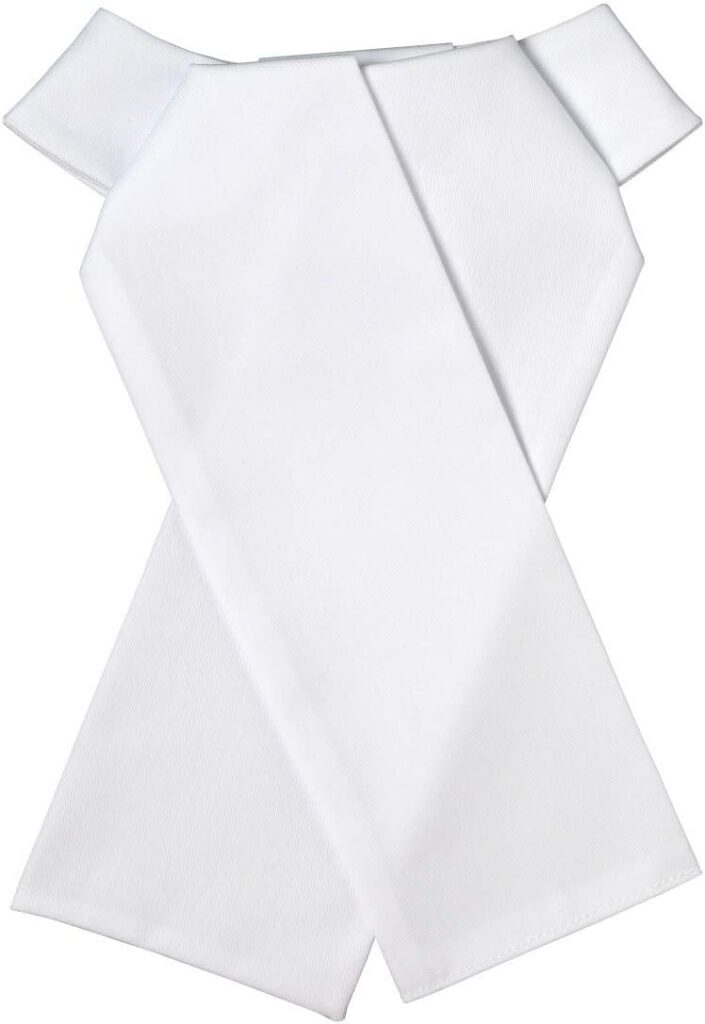
- Stock tie: Traditionally white, stiffened, and pinned with a plain gold or silver pin. In an emergency, it could serve as a sling or compress.
- Breeches: Buff or fawn, made of moleskin or stretch twill, close-fitting to the leg to avoid catching on branches.
- Boots: Formal hunting boots are black with brown tops (the latter indicating rank). Hunt servants wear plain black boots.
- Spurs: Mild rowel or dummy spurs are often worn, signifying experience.
- Gloves: Tan or leather gloves protect the hands and complete the look.
Each of these garments was designed not only for elegance but also for endurance, riding for hours across mud-slicked fields, leaping over stone walls, and braving bitter wind.
Ladies Side-Saddle: Victorian Elegance in Motion

By the mid-to-late 19th century, to ride to hounds as a lady was to embody a peculiar blend of grace, courage, and sartorial restraint. While men galloped in scarlet across the countryside, women followed perched aside rather than astride, with posture so upright it seemed architectural.
This form of equestrianism wasn’t merely decorative. Riding side-saddle demanded exceptional core strength, dexterity, and poise. The rider’s right leg would drape over the fixed pommel, curved elegantly like a swan’s neck, while the left was anchored in a stirrup. Yet despite such limitations, these daring women cleared hedgerows and ditches with remarkable élan. To master the side-saddle was to become an artist of control and composure, admired in equal measure for bravery and deportment.
The Riding Habit: Tailored for Triumph
A lady’s hunting habit during the Victorian and Edwardian eras was a marvel of bespoke tailoring. Redingote, often made of durable wool in deep navy, charcoal, or black, the riding coat mimicked the sharp lines of a gentleman’s frock, cut to flatter the female form without compromising movement. The skirt, always full and hem-weighted, was designed to fall cleanly over the saddle’s side and conceal the rider’s legs.
Inside, a tightly fitted waistcoat (often silk-lined) and crisp white stock lent the outfit a military sharpness, fastened with a decorative pin: frequently a pearl, fox-head, or horseshoe. Notably, London’s finest tailors, such as Henry Poole & Co., renowned for introducing the dinner jacket, and Redfern of Cowes, a favorite of Queen Victoria and later the French court, catered to these elite riders. Their work represented the apex of equestrian elegance.
Hats and Hair: The Crowning Touch
Headwear added the finishing flourish. Top hats were most traditional, frequently trimmed with a veil that floated behind in the breeze, lending the rider an air of mystery and refinement. In more practical settings, bowler-style caps, which are lower and more secure, were preferred, particularly during brisk or muddy hunts. It was not uncommon to see these hats adorned with a discreet feather, silk band, or cockade, indicating personal taste or allegiance to a specific hunt.
Hair was typically coiled into tight chignons or plaits, pinned securely under the hat to maintain modesty and minimize distraction during fast-paced gallops.
Decline and Legacy: The Enduring Look of the Field
Although the Hunting Act of 2004 banned hunting with dogs in England and Wales, traditional drag hunts (where a scent is laid for hounds to follow) continue to occur, preserving both the pageantry and discipline of the sport.
Today, the attire of fox hunting is still worn for ceremonial meets, hunt balls, and even filtered into fashion collections inspired by countryside heritage. Designers from Alexander McQueen to Ralph Lauren have borrowed its lines and motifs for tailored wool coats, equestrian boots, and hunting caps, transforming them into catwalk statements.
But the truest meaning of fox hunting attire lies in its continuity, each stitch and button a reference to centuries of ritual, riding, and rural pride.
A Uniform of Tradition and Discipline
Fox hunting attire is far more than decoration. It is a language of tradition, worn with purpose and pride, often passed down through generations. Whether crimson or tweed, each ensemble speaks to a long history of English rural life, aristocratic codes, and enduring style.
From the quiet dignity of a black habit to the brazen authority of a red coat, fox hunting dress endures—not only in the fields, but in the collective imagination of heritage, elegance, and identity.
If you are looking to purchase a gold pin on a budget:

*This website contains affiliate links. If you purchase a product or service after clicking on one of our affiliate links, we may receive a commission from the seller at no extra cost to you.