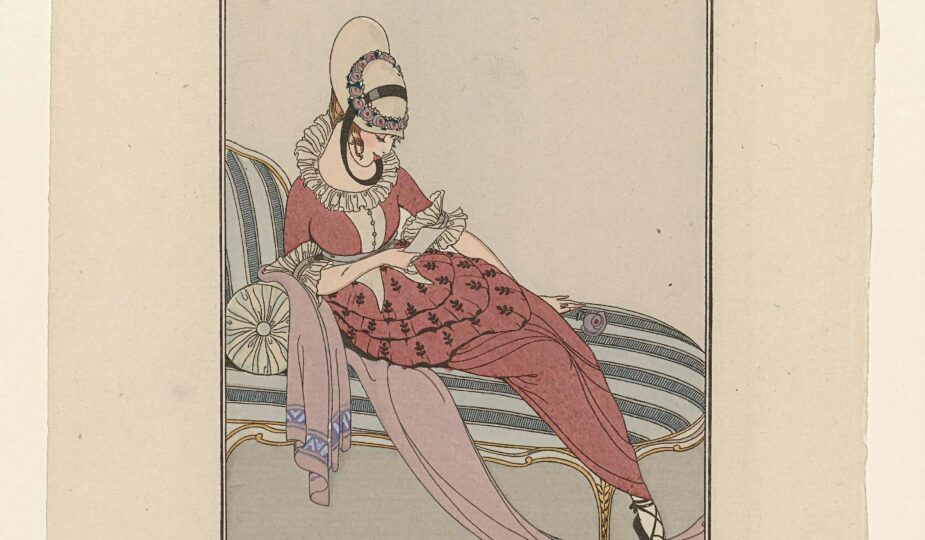
A modern beauty routine may feel deeply personal, but it has always been shaped by many of the same forces that influence fashion: climate, available materials, technology, work, leisure, and changing ideas about appearance. The rituals performed in front of a mirror have evolved alongside the clothes people wear, from ancient eye paint and scented oils to streamlined skin care designed to sit comfortably beneath sunscreen and makeup.
The relationship is not a simple story of primitive remedies giving way to better products. Historical beauty practices could be religious, medical, social, or decorative, while modern routines blend health guidance, personal preference, and consumer culture. Viewed alongside dress history, beauty reveals why certain rituals disappeared, why others survived, and why convenience has become as important as display.
Fashion and Beauty Have Always Shared a Language
Fashion and grooming create a single public appearance, even when they are discussed as separate subjects. A neckline changes which areas of skin are visible. A hat influences hair. A fitted evening dress may call for a different cosmetic finish than casual daywear. Climate also affects both wardrobes and skin care, because heat, cold, humidity, indoor heating, and sun exposure influence what feels comfortable on the body.
The relationship is also social. Clothing and cosmetics have long communicated status, occupation, age, taste, and group identity. At some moments, obvious makeup signaled glamour or performance. At others, respectable beauty depended on making cosmetic effort look invisible. The routine itself, including how long it took and who could afford the products or assistance, became part of the message.
Beauty Before the Modern Vanity Table
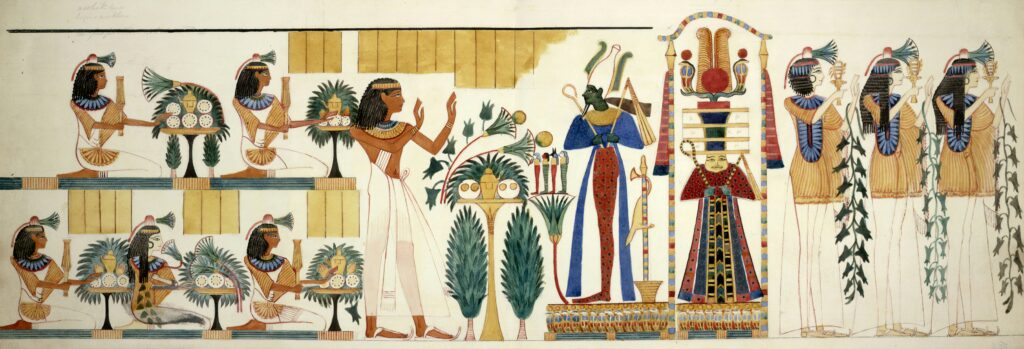
Ancient Egyptian grooming is one of the clearest examples of beauty operating beyond decoration. Surviving cosmetic vessels and applicators show that eye paint was an established part of daily life. Black galena and green malachite could be ground, mixed with a fatty base, and applied around the eyes. The result carried aesthetic and symbolic meaning, while museum research also connects some preparations with practical protection in the local environment.
Materials, tools, and containers could also signal wealth. A simple pigment might be widely used, but an elaborately made vessel or polished applicator turned grooming into a display of resources and craftsmanship. This pattern remains familiar today: the basic action may be ordinary, while packaging, ingredients, and presentation create distinctions between products. Early European evidence requires more caution. Accounts of body coloring among ancient Britons are often generalized into a single image of Celtic beauty, even though the surviving record is limited and filtered through Roman writers. A useful review of traditional Celtic clothing shows how wool, hides, weaving, fastenings, and local materials shaped dress. Roman descriptions also associated some Britons with blue body coloring, commonly translated as woad. That report is better treated as evidence of identity and display than as proof of a universal Celtic skin care practice.
The Victorian Face: Refinement, Restraint, and Risk
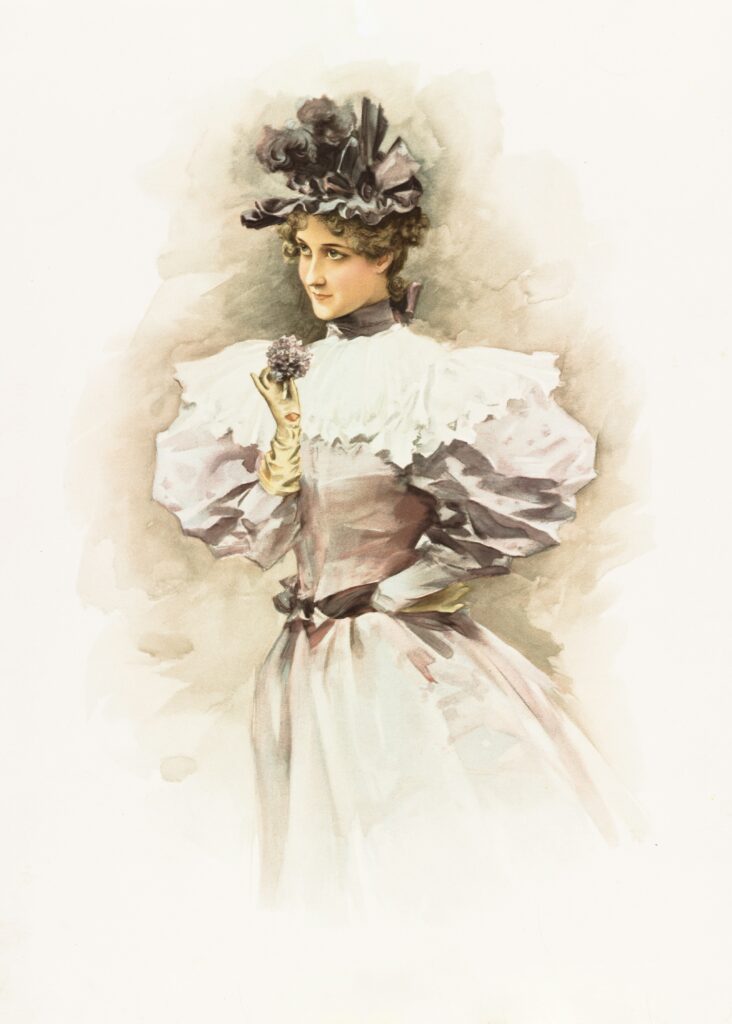
Nineteenth-century fashion made the coordination of body, clothing, and complexion especially visible. During the Victorian period, crinolines, corseted bodices, bustles, fitted sleeves, and elaborate trims created carefully controlled silhouettes. The face and hair had to work within that composed effect, yet respectable women were often expected to appear naturally refined rather than visibly made up.
Pale skin was associated in many European settings with gentility and distance from outdoor labor. Parasols, hats, powders, and complexion products supported that ideal. Cosmetics did not disappear, but their use could be discreet, particularly outside theatrical or fashionable circles. For broader context, modern scholarship and commentary on decadent 19th-century fashion can help place beauty practices beside the period's textiles, ornament, and social display.
Some beauty products were genuinely dangerous. Advertisements promoted arsenic complexion wafers, and belladonna was used to dilate the pupils. Other products relied on lead, mercury, or poorly controlled synthetic colors. The historical lesson is not that every older routine was toxic or that modern products are automatically harmless. It is that attractive claims can outpace evidence, especially when regulation, ingredient disclosure, and safety testing are weak.
The 20th Century Makes Beauty Modern
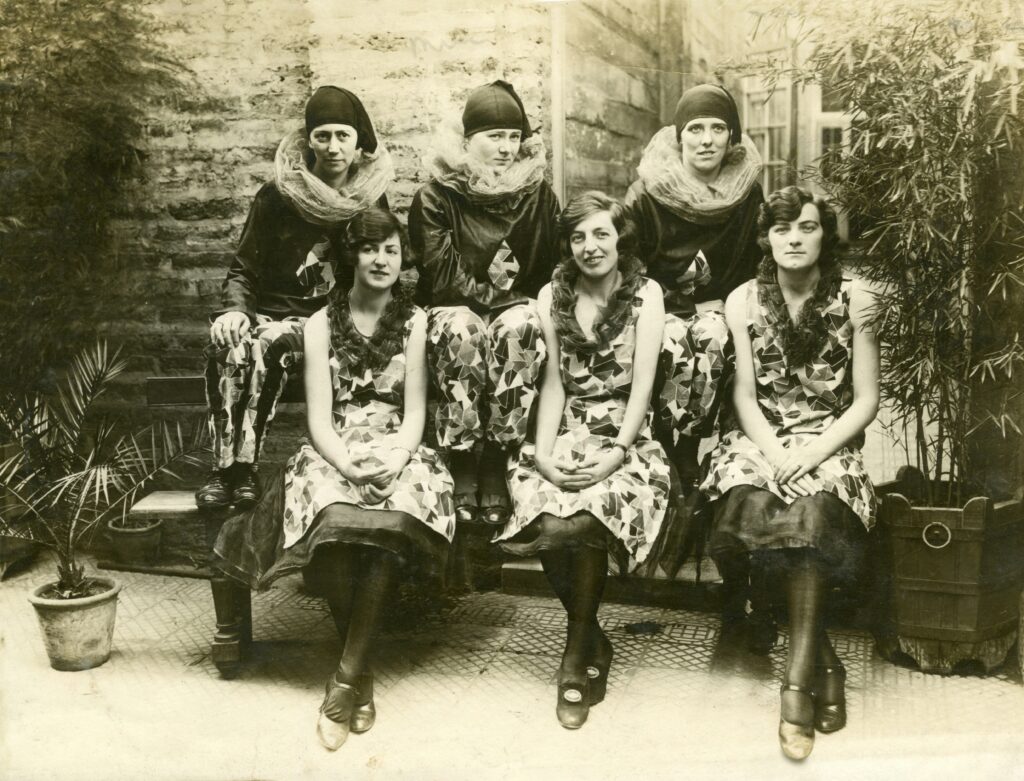
The early 20th century brought lighter silhouettes, shorter hairstyles, more visible sportswear, and a growing market for ready-made clothing and cosmetics. After World War I, many women's wardrobes became less layered and more practical. In the 1920s, straight dresses, rising hemlines, bobbed hair, and knit daywear offered a distinctly modern image, even though older and more decorative styles continued alongside them.
Beauty adjusted to the new outline. Short hair made the face more prominent, while film, photography, department stores, and advertising spread recognizable looks to a wide audience. Lip color, eye makeup, face powder, manicures, cold cream, and salon services became part of a more visible commercial beauty culture. Hollywood stars helped connect a complete look, from haircut and eyebrow shape to evening dress, with modern glamour.
The period also changed expectations about product safety. In the United States, the Federal Food, Drug, and Cosmetic Act of 1938 introduced federal regulation of cosmetics after highly publicized injuries from unsafe products. Regulation did not remove every risk, but it marked an important difference between a product's advertising claim and the standards used to assess what could be sold. Everyday hygiene tips for glowing skin now sit within a much broader conversation about gentle cleansing, skin type, ingredient tolerance, and sun protection.
The Modern Morning Routine
A practical morning routine is usually shorter than its product shelf suggests. Dermatologists generally place the steps in a simple order: cleanse gently, apply any treatment, use moisturizer or sunscreen, and add makeup if desired. The exact combination depends on skin type, climate, medical needs, and personal preference. More steps do not necessarily produce better results, and introducing several active products at once can make irritation harder to trace.
Targeted products can fit into that framework without becoming the focus of the routine. Someone who chooses a firming cream, for example, can treat it as one optional step and follow the label's order of application. The linked formula lists glycerin, sodium hyaluronate, aloe vera, green tea, and jojoba oil. Those ingredients do not make the product appropriate for every person, so comfort, tolerance, and realistic expectations still matter more than a long list of claims.
The modern emphasis on a comfortable base reflects changes in clothing and daily schedules. Lightweight foundation or no foundation may suit an active day, a high collar, or warm weather. A more polished finish may suit an evening event. In both cases, skin care works best when it supports the person wearing the clothes instead of competing with the outfit or demanding constant correction.
Dressing for the Season, Caring for the Skin
Seasonal wardrobe changes provide a useful cue to reassess skin care. Cold outdoor air and dry indoor heat can leave skin feeling tight or irritated, so some people benefit from a gentler cleanser and a richer moisturizer. A detailed winter skin care routine can help readers consider those adjustments without replacing individual medical advice. Soft fabrics may also feel more comfortable against irritated skin than rough knits or heavily fragranced laundry products.
Summer calls for a different balance, but not necessarily a completely new cabinet. Lighter textures may feel better under makeup and in humid conditions, while broad-spectrum sun protection remains relevant throughout the year. Clothing contributes too. Hats, sleeves, shade, and breathable fabrics can work with sunscreen rather than treating it as the only form of protection.
When the Wardrobe Shapes the Routine
Planning the outfit first can make a beauty routine more focused. Consider the setting, neckline, fabric, color palette, and expected weather before choosing hair and makeup. A high collar may make heavy neck products uncomfortable. A pale silk blouse may call for extra care with tinted products. A wool scarf can rub sensitive skin, while a wide-brimmed hat changes both sun exposure and the amount of styling a hairstyle needs.
Capsule-wardrobe thinking is useful here because it favors repeatable combinations. If most clothes share a coherent palette, a small group of dependable makeup shades can serve more outfits. A neutral lip color, one stronger evening option, and a few eye products may offer more practical range than purchases made for isolated trends. The goal is not minimalism for its own sake. It is to make new beauty purchases work with the clothes already in the closet.
The same approach can reduce rushed decisions. Preparing clothes the night before reveals whether the morning routine needs to be five minutes or twenty, whether hair must work with a hat, and whether a product needs time to settle before dressing. Beauty becomes part of outfit planning instead of a separate performance added at the last moment.
A Living History in the Mirror
Fashion history does not prescribe a correct beauty routine. Instead, it shows why routines change and why they carry meaning beyond the bathroom shelf. Ancient pigments, Victorian complexion ideals, 1920s silhouettes, Hollywood glamour, modern regulation, and seasonal skin care all reflect the conditions in which people dressed and chose to present themselves.
The most useful modern routine, then, is not necessarily the longest or the most fashionable. It is the one that suits the wearer's skin, schedule, clothing, climate, and sense of self. That practical standard still leaves room for pleasure and experimentation, while keeping the person rather than the product at the center of getting dressed.
