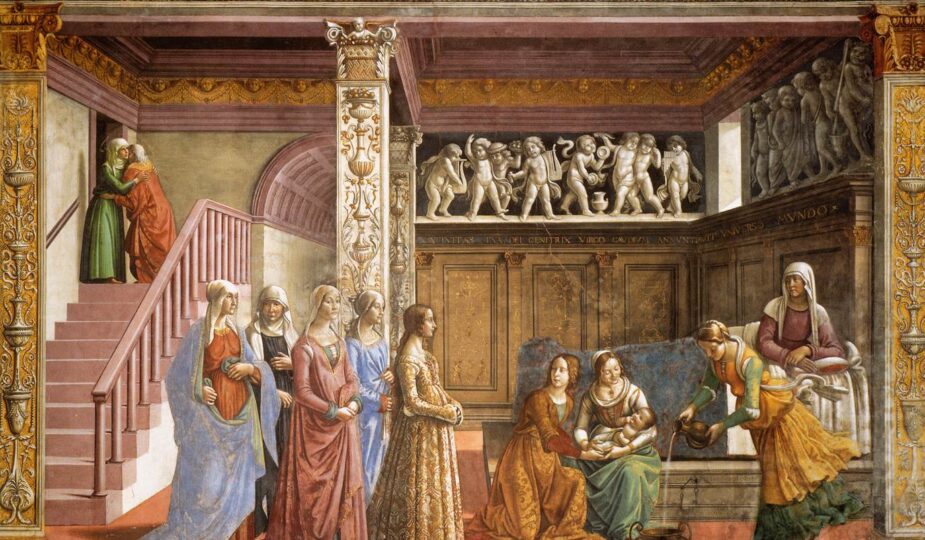
There is something rather spellbinding about donning Renaissance women’s wear. A swish of a voluminous skirt, the gentle pressure of a laced bodice, and suddenly one feels transported not merely costumed, but transformed. For plus-size individuals, the world of Renaissance festivals opens the door to indulging in historic fantasy and personal flair. But how does one channel the elegance of 16th-century fashion without sacrificing comfort?
Fear not. With a little sartorial savvy and a dash of practical planning, you can step into the realm of Tudor queens and Elizabethan merchants with regal poise, regardless of modern dress size.
A Brief Stroll Through Renaissance Fashion History
The Renaissance, roughly spanning the late 15th to early 17th centuries, was a period of artistic rebirth and social flourishing. And nowhere was this more visible than in the clothing of the time.
In Italy, the earlier Renaissance saw high-waisted gowns with square necklines and long, hanging sleeves. By contrast, the English court under Henry VIII and Elizabeth I brought forth rich velvets, stiff bodices, and intricately decorated ruffs; status was literally sewn into seams.
Women’s wear often followed a structure of:
- A chemise (or shift) worn next to the skin
- A kirtle or underdress
- A gown with wide or puffed sleeves
- Accessories such as coifs, jeweled girdles, and elaborate headwear
Silhouettes celebrated form, and contrary to today’s myths, curvaceous bodies were very much in fashion. Just observe the paintings of Titian or Rubens, full-bodied women were admired, celebrated, and dressed in finery.
So for today’s plus-size woman, there is nothing anachronistic about taking center stage in Renaissance attire.
1. Begin with the Foundation: A Proper Silhouette
Historic dress was all about structure, and while we may no longer bind ourselves in whale-bone stays, some light shaping works wonders. Begin with a soft cotton chemise that wicks away moisture and adds comfort beneath layers.
Choose gowns with structured bodices that cinch the waist without pinching. An empire line or gentle A-line skirt flows beautifully over curves, and mirrors the natural fullness celebrated in Renaissance portraiture.
Avoid flimsy fabrics that cling to the wrong places. Opt instead for medium-weight cottons, linens, brocades, or velvets, which drape and swish with purpose. If it rustles when you walk — that’s a good sign.
2. Embrace the Art of Layering
Layering was de rigueur in the Renaissance. Chemise, kirtle, gown, and perhaps even a surcoat — all these pieces serve both form and function.
The modern advantage is that you can layer for comfort and climate, not just style. A shawl, capelet, or lightweight wool cloak keeps you warm as the sun dips, while also giving your ensemble a period-appropriate edge.
Don’t fear color: layered jewel tones can add depth and vibrancy. Think plum and gold, forest green and cream, or a timeless deep burgundy.
3. Let Accessories Speak (With Authority)
Accessories in Renaissance fashion were more than ornaments. They were a declaration of status, taste, and wealth. You, too, can use them to broadcast confidence and personality.
- Headwear: Whether a flowered circlet, structured French hood, or trailing veil, a headpiece instantly lends authenticity. And it keeps modern hair in place: a win-win.
- Belt or girdle: A decorative belt draws attention to the waist and gives structure to flowing gowns.
- Shoes: Choose comfort, but stay within the aesthetic. Low leather boots, simple slippers, or even modern orthopedic styles disguised beneath skirts can do the trick.
- Jewelry: Look for chunky rings, cameos, or faux pearls. More is more, but steer clear of overtly modern sparkle.
- Spectacle frames: Yes, even glasses can be period-pleasing. A pair of Cartier prescription glasses, for instance, adds modern sophistication while echoing the opulence of Renaissance taste.
Let your personality pop through these choices: a patterned silk scarf, an embroidered pouch at the waist, or a dash of oxblood leather can all elevate your look from off-the-rack to ravishingly Renaissance.
4. Choose Colors That Flatter (and Feel Regal)
While the Renaissance adored color, not all tones were available to every class. Nobility often wore deep reds, blues, and purples, dyed with costly materials. Today, however, you can enjoy the full spectrum.
Use the TICKS rule (Trend, Invitation, Color, Kudos, Shape) as a guide to modern costume planning:
- Color: Choose hues that complement your skin tone and evoke the period. Jewel tones are almost universally flattering.
- Cut: A softly tailored gown offers comfort without appearing sloppy. Pay close attention to the neckline, waist placement, and sleeve shape.
- Cloth: Crush the fabric in your hand before buying. If it springs back without major creasing, it’ll wear better all day long.
5. Shop Smart: Sizing and Sources
Many costume shops now cater to plus-size bodies, but beware of cheap synthetics. They trap heat and look shiny under sunlight, not flattering nor authentic.
Instead, look for online artisans who specialize in historical costuming. Search for “Renaissance women’s wear plus-size” and sort by material, not just size.
You can also commission a local seamstress or even alter existing dresses to suit your shape. Many ready-made gowns just need a better hem, a dart, or a lace-up back to fit beautifully.
6. Adapt for Modern Movement
Let us not forget that today’s festivals involve walking, queuing, and turkey legs, so you’ll want to move freely. This is where comfort meets compromise.
A gown with strategic stretch panels, a supportive bodice, and breathable layers will let you dance, dine, and duel (if that’s your thing) without tugging at seams.
Don’t skip practical undergarments. Modern bike shorts, cotton bloomers, or petticoats with built-in cooling panels can make a world of difference.
7. Confidence Is the Best Costume of All
Remember: the original Renaissance woman didn’t fret over Instagram likes. She dressed with dignity, drama, and pride in her station, whatever that may have been.
So stand tall in your velvet and lace. Swish your skirts, raise your goblet, and claim the space you occupy. Festival-goers are there for the spectacle, and you are part of it.
As I often say: Fashion is history you can wear. And there’s no size limit on embodying the splendor of a golden age.
A Final Note on Historical Silhouettes
Here’s a helpful summary of Renaissance women’s dress silhouettes across the decades:
| Period | Key Features |
|---|---|
| Late 1400s | High waistlines, fitted bodices, long flowing sleeves |
| Early 1500s | Square necklines, wider sleeves, visible chemises |
| Mid 1500s | Structured bodices with boning, voluminous skirts, French and Spanish influences |
| Late 1500s | Ruff collars, padded sleeves, embroidered foreparts |
| Early 1600s | Slight relaxation of silhouette, softer collars, more flowing gowns |
And do peek at original period advertisements, woodcut illustrations, and even surviving sewing patterns from museum archives or books. They offer remarkable inspiration and proof that fashion has always embraced variety in body and creativity.
You Are the Muse
Whether you attend a Renaissance faire once a year or moonlight as a historical reenactor, your costume should never feel like a compromise.
You are not “making do”, you are reimagining tradition. You are not “hiding”, you are commanding attention with grace, wit, and womanly strength.
So lace up your bodice, adjust your headpiece, and remember: the Renaissance lives again, in you.